What is a Water Hose Connector and How Does It Work?
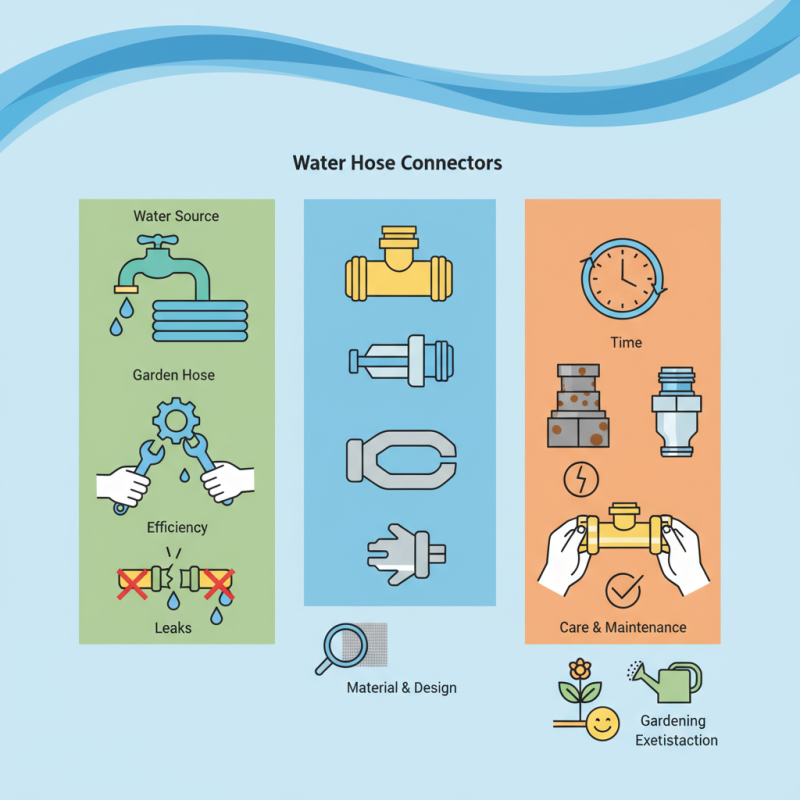
Water Hose Connectors play a crucial role in the garden and outdoor maintenance sphere. They serve as the essential link between your water source and garden hoses. Understanding how these connectors function can significantly enhance your irrigation efficiency. Improper connections can lead to leaks or inadequate water supply.
Many types of Water Hose Connectors exist in the market, but not all are created equal. Some may seem more reliable than others, yet wear and tear can affect their performance over time. When choosing connectors, consider the material and design. A high-quality connector can save you money in the long run by reducing water waste.
In practice, even the best connectors require careful handling. Regularly check for signs of wear or deterioration. It's a reminder that even simple tools like Water Hose Connectors need attention and care. This can greatly impact your gardening experience and overall satisfaction.
What is a Water Hose Connector?
A water hose connector is a simple yet essential device. It links your garden hose to a water supply or another hose. This connector allows water to flow freely. You might notice them in various shapes and sizes. They are made from materials like plastic, brass, or stainless steel.
When connecting hoses, proper sealing is critical. Without a good seal, leaks will occur, wasting water. The connectors often feature rubber gaskets to prevent this. These small components can sometimes wear out, resulting in frustration. Understanding the functioning of these connectors helps you make better choices. Ensuring a snug fit can minimize water wastage.
Sometimes, people overlook the importance of maintenance. Although it seems straightforward, these connectors require regular checks. Look for cracks or wear after each season. A little care can prolong their lifespan. Invest time in learning how to replace worn connectors. This simple knowledge can improve your gardening experience greatly.
Types of Water Hose Connectors Available
Water hose connectors are essential for efficient gardening and watering tasks. They come in various types, each designed for specific applications. Understanding these types can enhance your gardening experience and reduce water wastage.
There are several commonly used water hose connectors, including threaded connectors, quick-connect systems, and snap-on types. Threaded connectors are the most prevalent. According to industry reports, about 70% of garden hoses in the U.S. utilize threaded connections. They screw onto the faucet and provide a secure fit. Quick-connect systems are growing in popularity, making it easier to attach and detach hoses. These systems decrease connection time by 40%, according to recent studies.
Plastic and metal are two main materials used for connectors. Plastic connectors are lightweight and resistant to rust. However, they may become brittle over time. Metal connectors, on the other hand, are more durable but can corrode. This trade-off is crucial for users to consider. Many homeowners face issues with leakage, stemming from poor-quality connectors. In fact, statistics indicate nearly 25% of water waste in gardens is due to faulty hose connections. Awareness of these factors can lead to stronger decisions regarding water hose connectors in gardening practices.
How Does a Water Hose Connector Function?
A water hose connector plays a crucial role in the functionality of outdoor watering systems. It allows users to easily attach hoses to fixtures like taps or watering equipment. A typical connector is made from durable materials such as plastic or brass, ensuring longevity and reliability in various weather conditions. According to a report from the American Society of Agricultural and Biological Engineers, improper connections can lead to up to 40% water loss in irrigation systems. This highlights the importance of effective connectors in conserving water.
Functionally, a water hose connector operates through a straightforward mechanism. The connector typically features a male and female part that securely fastens together, creating a watertight seal. When connected, water flows from the source through the hose without leaks. However, many users face challenges with fittings that may not perfectly align. A study by the Water Research Foundation indicates that misaligned connections reduce efficiency and cause pressure drops. Users should inspect their connectors regularly to ensure proper function.
In outdoor setups, the environment also poses challenges for hose connectors. Exposure to sunlight, temperature changes, and prolonged use can wear out materials. Research shows that connectors can degrade over time, leading to leaks and failures. This signals the need for users to be vigilant about maintenance. Regularly checking and replacing worn connectors ensures efficient watering and minimizes waste. A proactive approach can greatly enhance the overall performance of watering systems.
Common Uses of Water Hose Connectors
Water hose connectors are essential tools for gardening and outdoor watering. They allow users to easily connect hoses to faucets or other hoses. These connectors come in various fittings and sizes to suit different needs. Their primary role is to facilitate a secure connection. This connection prevents leaks and allows for a steady flow of water.
Common uses of water hose connectors include gardening, cleaning, and even car washing. When watering plants, the right connector makes the task easier. Using a compatible connector ensures the hose does not slip off. In cleaning, connectors enable quick adjustments between different attachments. This versatility is key for efficient outdoor tasks.
Tips: Always check the compatibility of your connector with your hose. A mismatched connector may cause leaks. Regularly inspect your hoses and connectors for wear. Replace damaged parts to maintain efficiency. Cleaning your connectors can also help in prolonging their lifespan. The goal is to ensure smooth operation whenever you need it.
Tips for Choosing the Right Water Hose Connector
Choosing the right water hose connector is essential for effective gardening or outdoor cleaning. When selecting a connector, consider the diameter of your hose and the fitting. Connectors come in various sizes. A mismatched size can lead to leaks or reduced water flow. Opt for connectors made from durable materials. Metal connectors often last longer than plastic ones, yet they can be heavier.
Pay attention to the connection type. Some connectors screw on, while others use quick-release features. Quick-release connectors can save time but may not be as secure. Evaluate your usage patterns. If you frequently switch hoses or tools, a quick-release option might suit you better. However, for more permanent setups, a threaded connection can provide greater reliability.
Don’t skip testing your connector after installation. Watch for leaks and ensure a tight fit. A simple misalignment can cause problems over time. Reflect on your previous experiences. Did you face issues with your last connector? Learn from those mistakes. The right choice can make your gardening tasks much more efficient.
Water Hose Connector Types and Their Popularity