Top Tips for Choosing the Right Injection Machine Robot?
In the rapidly evolving landscape of manufacturing, the importance of choosing the right Injection Machine Robot cannot be overstated. According to a report by MarketsandMarkets, the global market for industrial robots is expected to reach $100 billion by 2025, fueled by increased automation. This growth emphasizes the significance of making informed decisions when selecting injection robots for production lines.
Industry expert Dr. Emily Chen, an authority in automation technologies, states, “Selecting the right Injection Machine Robot can enhance efficiency and reduce operational costs significantly.” However, numerous manufacturers still overlook critical factors in this decision-making process. Many choose robots based solely on upfront costs, neglecting long-term benefits and compatibility with existing systems.
Understanding the nuances of your operations is crucial. Consider factors such as payload capacity, precision, and speed. A hasty decision can lead to inefficiencies and wasted resources. The implication of a poor choice can resonate throughout the production process, creating unforeseen challenges. Reflecting on these considerations is vital for companies aiming to maximize their return on investment in automation technologies.
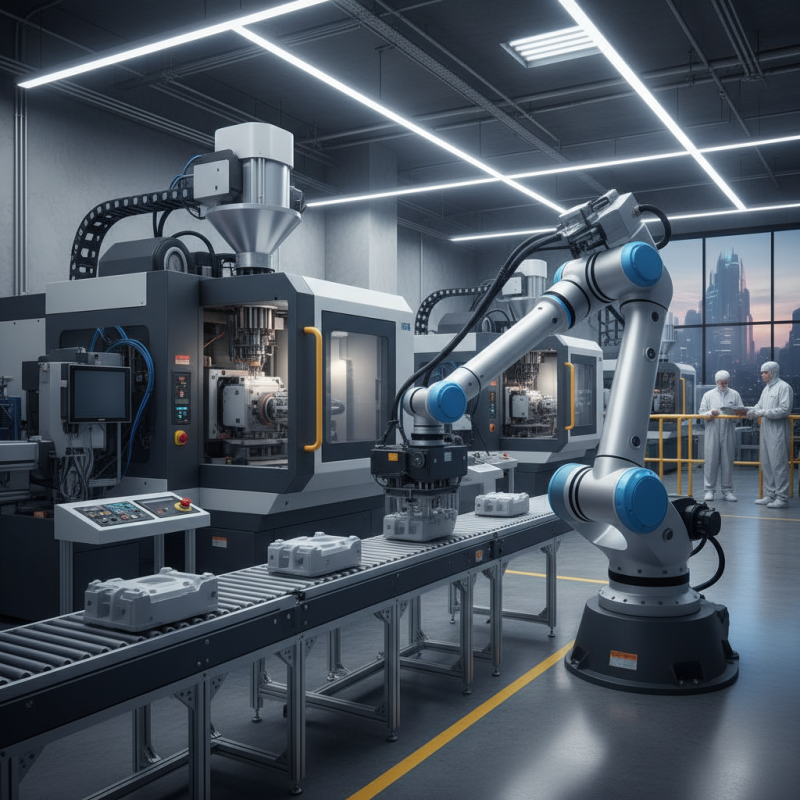
Understanding Different Types of Injection Machine Robots
When choosing an injection machine robot, understanding the different types available is crucial. Several categories exist, each tailored for specific applications. Articulated robots, for instance, have a flexible design that enables them to reach various angles. They are often used for complex tasks. According to a recent industry report, articulated robots accounted for 43% of the market share in 2022. This indicates their popularity and effectiveness in handling intricate operations.
SCARA robots are another option. They are known for their speed and precision in horizontal movements. These robots can significantly enhance productivity in assembly lines. A study shows that SCARA robots can reduce cycle times by up to 30% when utilized correctly. However, understanding their limitations is important. They have restricted vertical reach compared to articulated robots, which might be a challenge in certain settings.
Delta robots are designed for high-speed pick-and-place tasks. Their unique structure allows for rapid movements. Yet, they might not be suitable for heavy payloads. Depending on your specific needs, the choice can become complicated. An ill-informed decision could lead to operational inefficiencies. Evaluating the scope and scale of your production will help guide the selection. Remember, the best robot for one scenario may not work for another.
Evaluating Your Production Needs and Requirements
Evaluating production needs is critical when choosing an injection machine robot. Recent data shows that over 45% of manufacturers face challenges due to incorrect machinery selection. Understanding specific production requirements can significantly reduce these issues. Each application has unique demands, from speed to precision and flexibility.
Consider the cycle times and part complexities involved in your production process. For instance, if you’re producing intricate components, higher precision is necessary. A report from the International Society of Automation highlights that a 10% increase in precision can drive productivity up by 25%. However, this requires investing in technology that matches those needs.
Costs also play a major role. The initial investment can be high, and ongoing expenses need to be evaluated. Many companies fail to account for maintenance and operational costs. Reflecting on these aspects can lead to more informed decisions. Balancing initial outlay and long-term productivity is essential. Making a well-rounded decision can be the difference between thriving and just surviving in a competitive landscape.
Key Features to Consider When Selecting a Robot
When selecting an injection machine robot, several key features should be considered. The robot’s payload capacity is crucial. It needs to handle the weight of the components you typically use. A robot with insufficient capacity may lead to accidents or damaged products. Another important feature is the reach. Ensure the robot can access all areas of the injection molding machine comfortably.
Speed and precision are also essential attributes. A faster robot may improve production rates, but accuracy must not be compromised. Too much speed can result in errors, leading to wasted materials. Integration capabilities are equally vital. The robot should easily connect with your existing machinery and systems. This can simplify operation and enhance productivity.
It's worth reflecting on your specific needs. Sometimes, a simple robot suits your requirements better than a complex one. Analyze whether advanced features benefit your operations. They might introduce unnecessary complications. Regular reviews of your setup can also highlight areas for improvement. Balancing functionality with practicality is key to making the right choice.
Top Tips for Choosing the Right Injection Machine Robot
Budget Considerations for Injection Machine Robots
When considering an injection machine robot, budget plays a critical role. Determining how much you can spend is vital before diving into features and specifications. Don’t overlook hidden costs such as maintenance, setup, and training. These can add significantly to your initial investment.
Evaluate your production needs carefully. Some machines offer more automation, which can drive prices up. Simpler models might suffice if your output isn’t high. Be cautious with features that seem beneficial but inflate costs. Investing in unnecessary capabilities can strain budgets. A detailed cost analysis is essential.
Additionally, ask questions about energy consumption and operational efficiency. A machine that consumes less energy can save costs over time. Research any available financing options for purchasing. This choice may help manage your immediate budget better. Always seek quotes from multiple suppliers to compare. Balancing affordability and quality is crucial.
Assessing After-Sales Support and Maintenance Options
When selecting an injection machine robot, assessing after-sales support is crucial. Consider the availability of technical assistance. A responsive support team makes a difference during breakdowns. You want someone who can guide you through troubleshooting quickly. Time is money, especially in manufacturing.
Next, review maintenance options offered by the supplier. Regular maintenance can prolong the robot's lifespan. Ask about scheduled service visits and response times for urgent issues. Some companies provide training for your staff to handle minor repairs. This can save costs and minimize downtime.
However, not all providers deliver on their promises. Some may offer limited support after the sale. Check for customer reviews and testimonials to gauge reliability. A machine might look fantastic on paper, but poor support can lead to frustration later on. Always weigh the support options carefully against the initial machine cost.
