Selecting reliable Diaphragm Valves manufacturers requires more than comparing catalog prices. Process engineers examine sealing performance, body materials, pressure ratings, and service support. A valve may look identical on paper yet behave differently in a corrosive line. Elastomer selection matters. So does the actuator.
Béla G. Lipták, a respected process-control author, states, “The control valve is the final control element in a control loop.” His observation applies strongly to diaphragm technology. These valves directly influence isolation, flow stability, contamination control, and maintenance risk. In pharmaceutical, chemical, food-processing, and water-treatment plants, small design differences become visible quickly. A rough diaphragm surface can trap residue. An unsuitable lining can swell after repeated chemical exposure. A weak actuator may struggle during emergency shutdowns.
This guide reviews the Top 10 Diaphragm Valve Manufacturers Worldwide through practical criteria. The assessment considers manufacturing experience, product breadth, material options, testing practices, certifications, global availability, and technical assistance. It also considers lifecycle value, not only the initial quotation. That point deserves attention. A low-cost valve can become expensive after frequent diaphragm replacement.
No ranking is permanently correct. Operating pressure, temperature, media chemistry, and local service conditions change the result. Some manufacturers excel in sanitary applications. Others perform better in abrasive or highly corrosive systems. Readers should verify current specifications, test documents, and compatibility data before purchasing. That step is easy to skip. It should not be.
Definition and Working Principles of Diaphragm Valves
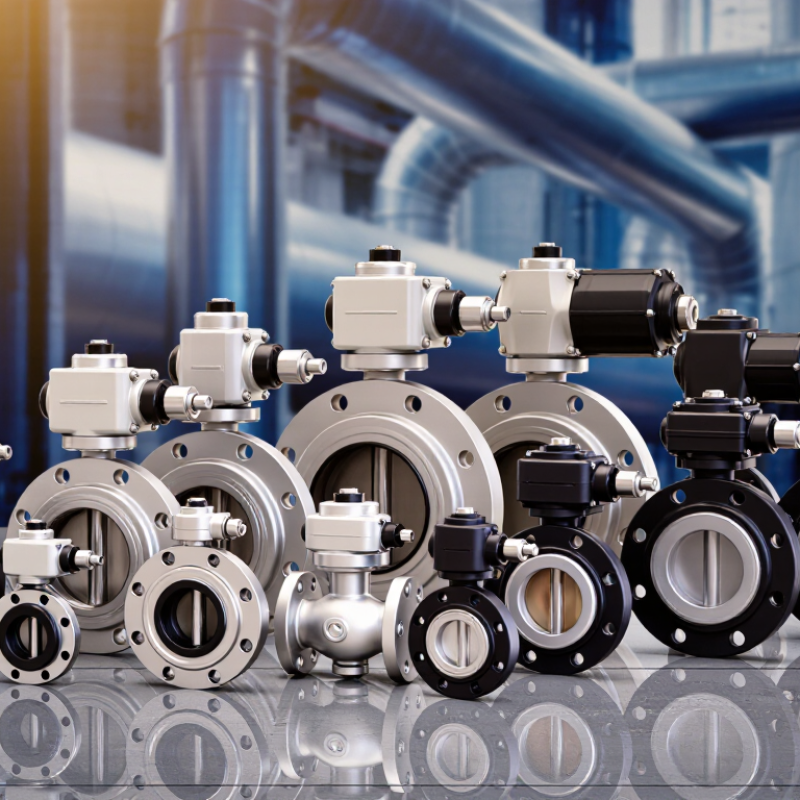
A diaphragm valve uses a flexible membrane to isolate the process fluid from its actuator. The membrane moves downward against a weir or straight-through seat, controlling flow or stopping it completely. The design is valuable where cleanliness, corrosion resistance, and leak prevention matter. It is common in water treatment, chemical processing, food production, and pharmaceutical systems.
Operation is straightforward. Turning a handwheel, energizing an actuator, or applying instrument air moves the compressor. The compressor presses or releases the diaphragm. Partial movement provides throttling, although poor positioning can create turbulence and shorten diaphragm life. Full closure produces a tight seal without packing around a moving stem. That separation also reduces contamination risk. Small detail, major consequence.
Material selection remains critical. PTFE, elastomers, and reinforced rubber tolerate different temperatures and chemicals. Engineers should check pressure, vacuum conditions, cycle frequency, sterilization method, and cleaning chemicals before specifying a valve. Fortune Business Insights reported that the broader industrial valve market was valued at approximately USD 78 billion in 2023, showing the scale of this equipment category. Grand View Research also identifies water, chemicals, and pharmaceuticals as important application sectors. These reports describe market direction, not guaranteed valve performance. In practice, the weakest point may be overlooked installation torque or an aging diaphragm. I would question any specification that ignores inspection intervals, because real service conditions rarely match the datasheet perfectly.
A diaphragm valve uses a flexible diaphragm to isolate the process fluid from the valve body and actuator mechanism. When the actuator moves the diaphragm downward, the flow passage closes; when the diaphragm lifts, the passage opens. The chart shows approximate typical upper continuous service temperatures for commonly used diaphragm materials. Actual limits depend on compound formulation, pressure, fluid chemistry and operating conditions.
PTFE generally provides the highest temperature and chemical resistance, while natural rubber is commonly selected for moderate-temperature abrasive or slurry services. Material selection must always be verified against the specific medium, pressure, temperature and cycling requirements.
Top 10 Diaphragm Valve Manufacturers Worldwide?
Comparing global diaphragm valve manufacturers requires more than counting product models. Start with application experience. A reliable supplier should understand corrosive chemicals, sterile processing, mining slurries, and high-cycle service. Ask for material compatibility data, pressure ratings, temperature limits, and documented test methods. A valve may look excellent on paper, yet fail after repeated thermal cycling.
Manufacturing control matters. Examine diaphragm materials, surface finishes, welding quality, and batch traceability. Useful evidence includes pressure-test records, leak-test procedures, inspection reports, and recognized quality certifications. Technical support is equally important. Engineers should explain installation torque, actuator sizing, maintenance intervals, and spare-part availability. Global service coverage can reduce downtime when a replacement diaphragm is needed at short notice. However, certifications alone do not prove field performance. Request references from comparable operating conditions.
Tips: Compare total ownership cost, not only purchase price. Check delivery consistency, customization limits, warranty terms, and response times. Ask whether factory data reflects real production or only laboratory samples. A small pilot installation can reveal noise, dead volume, or cleaning difficulties. No checklist is perfect. Even experienced buyers can overlook operator training or local water quality. Reassess assumptions after commissioning, especially when the valve handles abrasive media or frequent cleaning cycles.
| Anonymous Profile | Primary Valve Configuration | Typical Size Range | Typical Pressure Capability | Body Materials | Diaphragm Materials | End Connections | Actuation Options | Common Applications | Relevant Standards and Certifications |
|---|---|---|---|---|---|---|---|---|---|
| Profile 01 | Weir-type, manually operated | DN15–DN300 / NPS ½–12 | Up to approximately 10 bar, depending on size and lining | Ductile iron, cast steel, stainless steel | EPDM, PTFE, FKM, natural rubber | Flanged, threaded, sanitary clamp | Handwheel, pneumatic actuator | Water treatment, chemicals, mining, slurry service | EN 1092-1, ASME B16.5, ISO 9001 |
| Profile 02 | Straight-through, lined body | DN25–DN400 / NPS 1–16 | Up to approximately 16 bar | Cast iron, ductile iron, carbon steel | EPDM, PTFE, butyl rubber | Flanged, wafer-style, threaded | Handwheel, pneumatic, electric | Abrasive slurries, pulp and paper, mineral processing | EN 13397, ISO 5211, ISO 9001 |
| Profile 03 | Sanitary weir-type | DN10–DN150 / NPS ⅜–6 | Typically 6–10 bar | 316L stainless steel | EPDM, PTFE, silicone, FKM | Tri-clamp, butt-weld, orbital-weld, threaded | Manual, pneumatic, positioner-ready | Pharmaceutical, biotechnology, food and beverage | ASME BPE, 3-A sanitary principles, EHEDG design practice |
| Profile 04 | Lined weir-type, corrosion-resistant | DN15–DN250 / NPS ½–10 | Up to approximately 10 bar | Ductile iron, carbon steel, stainless steel | PTFE, EPDM, FKM | Flanged, threaded, hygienic clamp | Handwheel, pneumatic actuator | Acid handling, chemical dosing, wastewater treatment | EN 1092-1, PED 2014/68/EU, ISO 9001 |
| Profile 05 | High-purity diaphragm valve | DN8–DN100 / NPS ¼–4 | Typically 6–16 bar | Electropolished 316L stainless steel | PTFE, EPDM, modified PTFE | Tri-clamp, butt-weld, tube-end | Manual, pneumatic, automated control | Semiconductor, pharmaceutical, ultrapure water | ASME BPE, ISO 14644 compatibility, surface-finish documentation |
| Profile 06 | Pneumatic process diaphragm valve | DN15–DN200 / NPS ½–8 | Up to approximately 16 bar | Stainless steel, carbon steel, ductile iron | EPDM, PTFE, FKM, NBR | Flanged, threaded, clamp | Normally closed, normally open, double-acting | Batch processing, utility systems, corrosive fluids | IEC 60534 interface practice, ISO 5211, ATEX options where applicable |
| Profile 07 | Large-diameter slurry diaphragm valve | DN80–DN600 / NPS 3–24 | Typically 6–10 bar | Ductile iron, cast steel, rubber-lined steel | Natural rubber, EPDM, neoprene | Flanged | Handwheel, pneumatic, hydraulic | Mining, tailings, ash handling, abrasive process lines | ASME B16.5, EN 1092-1, abrasion-resistance testing by application |
| Profile 08 | Plastic-body diaphragm valve | DN15–DN100 / NPS ½–4 | Up to approximately 10 bar at ambient temperature | PVC-U, CPVC, PP, PVDF | EPDM, FKM, PTFE | Socket, solvent-weld, threaded, flanged | Manual, pneumatic | Water treatment, electroplating, chemical distribution | ISO 16138, EN ISO 15494, ISO 9001 |
| Profile 09 | Control-oriented diaphragm valve | DN15–DN150 / NPS ½–6 | Up to approximately 25 bar in selected designs | Forged stainless steel, cast steel, alloy steel | PTFE, reinforced PTFE, EPDM | Flanged, threaded, butt-weld | Pneumatic with positioner, electric actuator | Precise dosing, process control, sterile fluid transfer | IEC 60534, IEC 60534-4 leakage testing, PED where applicable |
| Profile 10 | Custom-engineered process diaphragm valve | DN15–DN500 / NPS ½–20 | Approximately 6–25 bar, subject to design review | Carbon steel, stainless steel, high-alloy materials | PTFE, EPDM, FKM, specialty elastomers | Flanged, threaded, welded, sanitary connections | Manual, pneumatic, electric, hydraulic | Energy, industrial chemicals, wastewater, OEM systems | ASME B16.34, EN 1092-1, PED 2014/68/EU, ISO 9001 |
Note: The profiles are anonymized industry capability categories rather than named companies. Size, pressure, temperature, material compatibility, certification, and leakage performance must be verified against the specific valve model and operating conditions.
The top ten diaphragm valve manufacturers worldwide are judged by engineering depth, material quality, and field reliability. Leading producers usually serve chemical processing, water treatment, pharmaceuticals, food production, and semiconductor facilities. Their valves manage corrosive fluids, sterile media, and abrasive slurries. Strong manufacturers offer elastomer, PTFE, and high-purity diaphragm options. They also provide traceable testing, dimensional records, and technical support. These details matter during audits and maintenance.
Real-world experience shows that valve selection cannot depend on reputation alone. Operators should compare pressure ratings, temperature limits, actuation methods, and cleaning procedures. A compact valve may fit a crowded skid, yet its diaphragm could wear quickly under repeated cycling. This is where published service data becomes valuable. However, some performance claims remain difficult to verify in identical conditions. Buyers should request test standards, replacement intervals, and installation guidance. I have found that overlooked piping stress can create failures that appear to be valve defects.
Tips: Match the diaphragm material to the process fluid. Check dead-leg requirements before ordering. Ask for spare-part availability and documented inspection procedures. Review failure records, not only brochures. A supplier with responsive engineers can reduce downtime during commissioning. Also, test the selected valve under realistic flow conditions. Laboratory results may not reflect vibration, thermal cycling, or operator habits. A careful comparison often reveals that the cheapest purchase carries the highest maintenance burden.
Top 10 Diaphragm Valve Manufacturers Worldwide?
Diaphragm valve manufacturers serve demanding industries with highly specialized designs. Pharmaceutical plants often require polished stainless steel bodies and sanitary connections. These valves support clean-in-place processes and reduce fluid contamination risks. Food processors need smooth internal surfaces and dependable drainage. Small dead spaces matter here. Water treatment facilities usually prioritize corrosion resistance, easy maintenance, and stable flow control. Rubber-lined or thermoplastic options can handle aggressive chemicals. Material selection depends on temperature, pressure, and media concentration.
In semiconductor production, manufacturers develop ultra-clean valves for purified chemicals and gases. Their designs may include welded connections, low-particle components, and precise pneumatic actuation. Mining operations need tougher solutions. Abrasive slurries can quickly damage unsuitable diaphragms. Reinforced elastomers and robust body linings improve service life. Industrial users may also choose manually operated valves for simple isolation. Automated versions suit remote systems and frequent cycling. A reliable supplier should provide testing records, pressure data, replacement parts, and technical support.
Field experience shows that application details often matter more than catalog ratings. A valve rated for a chemical may still fail under unexpected temperature changes. That mistake happens. Engineers should review cycling frequency, sterilization methods, vacuum conditions, and maintenance access. Manufacturers with strong engineering teams can adapt diaphragm materials, actuator sizes, and connection standards. However, no design is perfect. Installation errors, poor alignment, or delayed diaphragm replacement can shorten service life. Comparing the leading ten manufacturers requires more than price. It requires verified performance, transparent documentation, and evidence from comparable operating environments.
Choosing a diaphragm valve supplier requires more than comparing prices. MarketsandMarkets’ 2024 Industrial Valves report estimates the market will grow from about USD 78 billion in 2024 to USD 98 billion by 2029. This growth reflects stricter process control and rising demand for hygienic equipment. However, a large supplier is not always the right supplier.
Check the valve’s diaphragm material, pressure range, temperature limit, and media compatibility. Ask for cycle-test results, leakage data, material certificates, and traceability records. For corrosive fluids, confirm the lining and body material through documented chemical-resistance testing. In pharmaceutical or food applications, request surface-finish data and cleaning validation support. A polished brochure is not proof. Supplier engineers should explain failure modes in clear language. If they avoid specific answers, reconsider the quotation.
Tips: Compare total ownership cost, not only purchase price. Review spare-part availability, response time, warranty terms, and installation guidance. Request references from facilities with similar flow rates and operating temperatures.
The Freedonia Group highlights replacement demand and maintenance as important drivers across industrial valve purchasing. That detail matters because a cheaper valve can create longer shutdowns. I have seen specifications copied without checking actual media conditions. Treat that mistake seriously. Ask the supplier to review your process sheet before final selection. Also verify independent inspection options and delivery performance, because reliability is measured after commissioning, not during a sales meeting.