What is a Slitter Cutter Machine and How Does it Work?
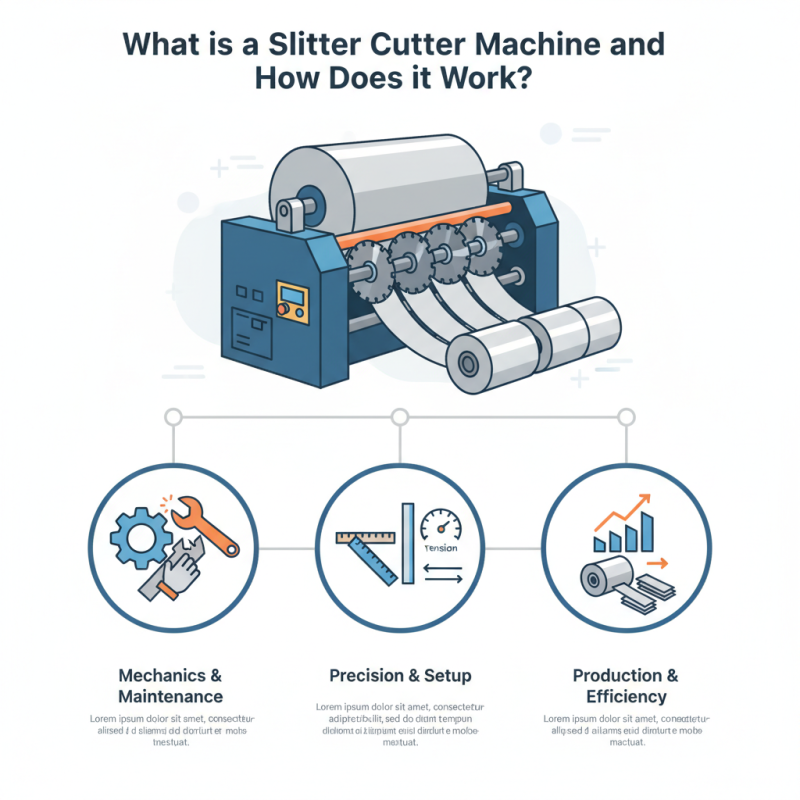
The Slitter Cutter Machine plays a vital role in various manufacturing processes. According to industry expert John Smith, "A Slitter Cutter Machine is essential for precise material processing." This machine efficiently cuts large rolls of material into narrower strips, maximizing production output while minimizing waste.
Operators must understand the machine's mechanics for optimal performance. The Slitter Cutter Machine uses sharp blades to create clean cuts. Factors like blade sharpness and speed influence cut quality. Regular maintenance is crucial to avoid unexpected breakdowns. Without proper care, the machine may not perform efficiently, leading to costly delays.
Mistakes in setup can result in uneven cuts. Operators need to pay close attention to parameters like tension and alignment. Small errors can compromise the final product. Learning from these challenges can improve processes over time. Mastering the Slitter Cutter Machine requires experience and diligence, but the benefits are significant.
What is a Slitter Cutter Machine?
A slitter cutter machine is an essential tool in various manufacturing processes. It is designed to cut large rolls of material into narrower strips or sheets. This machine uses sharp blades that are adjusted to achieve specific widths. The materials processed can include paper, plastic films, foil, and fabric. Understanding how these blades function is crucial for effective operation.
The cutting process starts when the material is fed through the machine. As it moves, the blades rotate and slice through the material with precision. It's important to maintain the right tension on the media. If the tension is too loose or too tight, it can affect the quality of the cut. Operators need to monitor the machine constantly for discrepancies. Sometimes, minor flaws can arise, requiring them to adjust the blades or the feeding speed.
A well-maintained slitter cutter promotes efficiency and high-quality output. However, it also demands careful setup and consistent checking. Operators may face challenges in ensuring the machine runs smoothly. Even experienced users may overlook small details, causing inefficiencies. Regular maintenance and training sessions can help mitigate these issues.
What is a Slitter Cutter Machine and How Does it Work?
| Feature | Description |
| Machine Type | Slitter Cutter Machine |
| Primary Use | Cutting large rolls of material into smaller pieces |
| Common Materials | Paper, plastic films, metal foils, textiles |
| Cutting Mechanism | Rotating blades or knives |
| Safety Features | Emergency stop buttons, safety guards |
| Control System | Digital control panel for precision settings |
| Applications | Packaging, printing, manufacturing industries |
| Maintenance Requirements | Regular blade adjustments and lubrication |
| Advantages | High efficiency, consistent cutting quality |
| Limitations | Requires skilled operators for setup |
Components of a Slitter Cutter Machine
A slitter cutter machine is essential for cutting materials into narrow strips. Its key components work together to achieve precise cuts. One crucial part is the blade. The blade must be sharp and durable for effective operation. It is often made from high-quality steel to withstand wear.
Another important component is the unwind stand. This holds the material roll securely during cutting. Proper alignment is vital for accurate slitting. If the material shifts, the cuts may be uneven. The machine also features a tension control system. This helps maintain consistent tension on the material, preventing issues like wrinkling.
The waste rewind unit is often overlooked. It collects the excess material that is trimmed away. This unit must operate smoothly, or it can create jams. Additionally, an operator’s panel allows for machine settings. However, this panel can sometimes confuse users. They may not always get the settings right. Operator training is therefore crucial to avoid mistakes. Overall, attention to each component is necessary for the machine's optimal performance.
The Working Mechanism of a Slitter Cutter Machine
A slitter cutter machine is a tool used for cutting wide rolls of material into smaller strips. The process begins when the large roll, or parent roll, is placed on the machine. The operator must ensure proper tension and alignment. If these aspects are neglected, it can lead to uneven cuts or jams.
Once the setup is complete, the machine's blade engages. The blade moves in a precise manner, slicing through the material as it passes. It's important to note that the speed of the blade must align with the type of material being cut. Wrong speed can lead to frayed edges or damaged rolls. Regular maintenance is key. Without it, the blades can dull quickly, affecting the quality of the cuts.
The substantial waste generated during this process must be carefully monitored. If not managed properly, excess material can accumulate and add to operational costs. Operators must be vigilant, as mistakes can happen. A misalignment of the blade can ruin entire batches, requiring time-consuming corrections. In this way, the mechanics of a slitter cutter machine can be both an art and a science.
Applications of Slitter Cutter Machines in Industries
Slitter cutter machines play a crucial role across various industries, including packaging, textiles, and paper. In packaging, these machines help create precise widths for materials like plastic films, adhesives, and foils. According to recent industry reports, the global slitting and rewinding machine market is projected to grow at a compound annual growth rate (CAGR) of around 6% from 2021 to 2026. This growth underscores their significance in enhancing efficiency.
In the textile industry, slitter cutters are used to divide rolls of fabric into narrower widths. This process is essential for manufacturers who need specific sizes for production. A study from the Textile World indicates that efficient slitting can reduce material waste by up to 30%. However, improper adjustments can lead to significant quality issues, such as uneven edges or fraying, which can be costly for businesses.
Tips: Always regularly inspect the blades to maintain cutting quality. Blade dullness can compromise precision. Also, training staff on machine operation is vital. A well-trained team minimizes errors. Frequent audits of the slitting process can reveal areas for improvement. Properly managing this equipment can drastically enhance output and reduce waste.
Advantages and Limitations of Using Slitter Cutter Machines
Slitter cutter machines are essential in various industries for cutting materials into precise widths. These machines are efficient and versatile. They can handle different materials, including paper, plastic, and metal. However, their use comes with certain advantages and limitations.
One key advantage of slitter cutter machines is their speed. They can produce a high volume of finished products quickly. This capability boosts productivity, which is vital in competitive markets. Additionally, they offer precision in cutting. This accuracy reduces material waste and improves efficiency. However, this advantage is sometimes overshadowed by the complexity of operation. Training operators to use these machines properly can be a time-consuming process.
Nonetheless, there are limitations. Maintenance can be demanding, requiring regular checks. If not properly maintained, machines easily fall into disrepair. Moreover, the setup time between different cutting jobs can slow down production. Adjusting settings for various materials might not always yield perfect results. This variation can lead to inconsistencies, which is an area for improvement. Balancing speed, maintenance, and quality is crucial in using slitter cutter machines effectively.
