What is Schwing and How Does It Work in Construction?
In the construction industry, efficient material handling is crucial. Schwing has emerged as a pivotal player in this sphere. "Schwing's technology transforms concrete placement," says industry expert John Thompson. This company produces innovative machinery that streamlines construction processes.
Schwing specializes in concrete pumps and related equipment. These machines are vital for large-scale construction projects. They enhance efficiency and reduce labor costs. However, relying on advanced technology can pose challenges. Maintenance and training are essential for optimal performance. The construction workforce must adapt to these new tools.
Many in the industry appreciate the benefits of Schwing products. Yet, not every project may require such technology. Smaller operations might find it overwhelming. This forces stakeholders to evaluate their specific needs. The balance between efficiency and practicality remains a subject of debate. In the end, understanding how Schwing fits into construction can lead to better decisions.
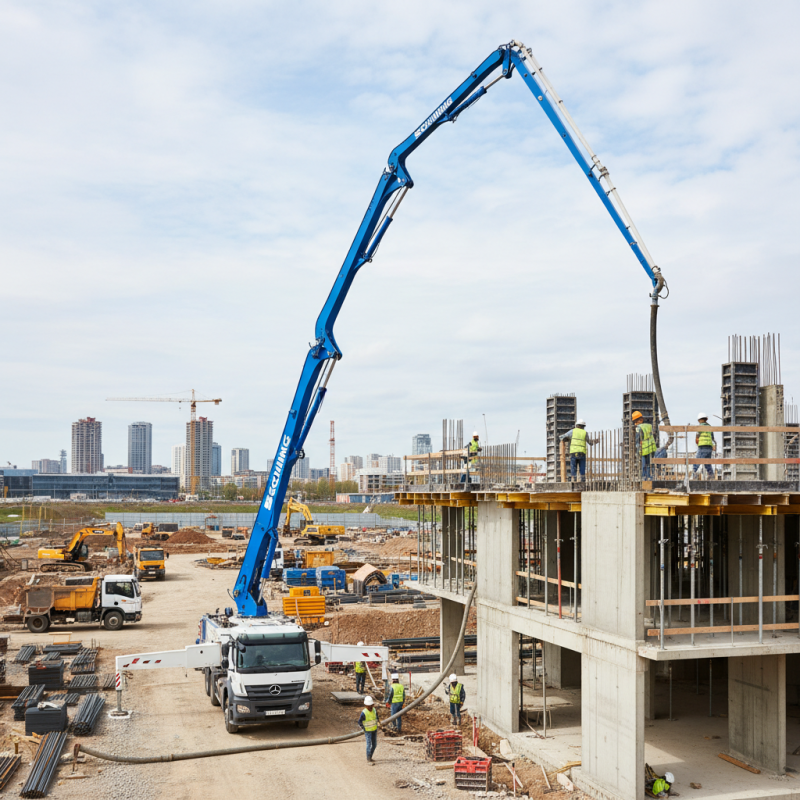
What is Schwing: An Overview of Its Role in Construction
Schwing plays a vital role in construction, particularly in concrete pumping. This technology increases efficiency on sites. According to a recent industry report, concrete pumping can enhance labor productivity by up to 30%. This impressive gain results from reducing manual labor and speeding up the workflow.
Using Schwing systems, contractors can transport concrete over long distances and difficult terrains. These machines can move significant volumes quickly, with some models capable of pumping up to 160 cubic meters per hour. However, the operation does require skilled professionals. A lack of proper training can lead to mishaps. These errors can result in costly repairs and project delays, emphasizing the need for trained operators.
Additionally, the environmental impact of concrete production remains a concern. While Schwing technology is efficient, its use still contributes to carbon emissions. Industry experts estimate that concrete production accounts for around 8% of global CO2 emissions. This reality urges the industry to find sustainable practices. Many companies are exploring eco-friendly materials and innovative pumping methods. Balancing efficiency and environmental responsibility continues to be a pressing challenge for construction.
The Technology Behind Schwing: Mechanisms and Functions
Schwing is a vital technology in the construction industry, particularly in concrete pumping. This system allows for the efficient transport of concrete through pipelines, minimizing manual labor and enhancing workflow. At the core of Schwing technology are hydraulic pumping mechanisms that utilize both pressure and gravity. The pump's design ensures a steady flow, reducing the risk of blockages that can delay projects.
The operational effectiveness of Schwing is evidenced by industry reports, which suggest that using modern concrete pumps can increase productivity by up to 30%. Moreover, the accuracy of placement has improved with technology, leading to a decrease in material waste. This is crucial, especially as construction projects aim for sustainability and efficiency.
Tips: Regular maintenance of the pump system is essential. Neglecting this can lead to costly repairs and downtimes. It’s important to train operators properly to enhance performance and safety. Remember, not all systems work flawlessly; observing where issues arise can provide insights for future projects.
Types of Schwing Equipment Used in Construction Projects
Schwing equipment plays a crucial role in construction projects. Various types of Schwing tools are designed to meet specific needs. For instance, concrete pumps facilitate the efficient transfer of concrete to site locations. They save time and labor while ensuring a smooth workflow. These pumps can handle different types of concrete mixtures and come in various sizes.
Another essential type is the concrete placing boom. It allows precise placement of concrete in hard-to-reach areas. This equipment is particularly useful in high-rise construction. Operators can control the boom remotely, which minimizes the risk of accidents. However, positioning the boom requires skill and experience. Mistakes can lead to miscalculations and delays.
Additionally, there are trailer pumps, which offer mobility for smaller projects. They are easily transportable, allowing construction teams to move them between sites. Keep in mind, the efficiency of these machines relies on proper maintenance and operator training. Without this, projects can be adversely affected, leading to increased costs and time overruns.
Benefits of Using Schwing in Modern Construction Practices
In modern construction, Schwing technology has gained traction for its efficiency. This method simplifies concrete pumping, ensuring faster project completion. According to the American Concrete Pumping Association, using advanced pumping systems can reduce labor costs by up to 30%. These systems allow for effective management of labor and time resources.
Moreover, Schwing systems improve the quality of concrete placements. They deliver material with consistency, which minimizes the risk of defects. A study by the National Ready Mixed Concrete Association indicated that precise material delivery leads to a 25% decrease in waste. This not only enhances material efficiency but also contributes to sustainability efforts in construction.
However, the reliance on such technologies does come with challenges. Operators must be properly trained to handle equipment. Mismanagement can lead to delays and safety hazards. As the industry shifts towards advanced methods, continuous training is critical. Reflecting on these issues encourages a balanced approach to innovation in construction.
Safety Considerations When Operating Schwing Machinery
When operating Schwing machinery, safety is paramount. Workers should wear appropriate personal protective equipment, including helmets and gloves. A safety harness is often crucial, especially when working at heights. Operators should be trained thoroughly before using any machinery. This training can prevent accidents and injuries on site.
Maintaining a clear work area is important. Debris can cause slips and falls easily. Ensure everyone on site knows the hazards. Communication is key. Use hand signals or radios to avoid misunderstandings. Machinery blind spots can be dangerous. Always check surroundings before moving any equipment.
Regular equipment checks are necessary. Inspect hoses and connections for wear or leaks. Address any malfunction immediately. This might seem tedious, but it can save lives. Encourage a culture of safety among all workers. Remind them that reporting hazards is essential. Sometimes, workers might hesitate to speak up. It’s vital to foster an environment where safety concerns are valued.
