Why Invest in a Forklift Collision Detection System Today?
In today’s fast-paced industrial environment, safety is paramount. A Forklift Collision Detection System plays a crucial role in protecting workers and assets. Accidents involving forklifts can lead to severe injuries and significant financial losses. Investing in such technology is not just a safety measure; it's a strategic decision for any organization.
These systems utilize advanced sensors to detect potential collisions, providing real-time alerts. This technology gives operators the opportunity to react swiftly, potentially preventing disasters. Forklift incidents often stem from blind spots and busy environments. The frequent occurrence of accidents raises questions about current safety protocols.
Reflecting on existing safety measures may reveal gaps or inefficiencies. How many near-misses could a Forklift Collision Detection System have prevented? As companies strive to enhance their operational safety, this innovative solution represents a standard, not just an option. Embracing this technology signals a commitment to employee well-being and operational excellence.
The Definition and Importance of Forklift Collision Detection Systems
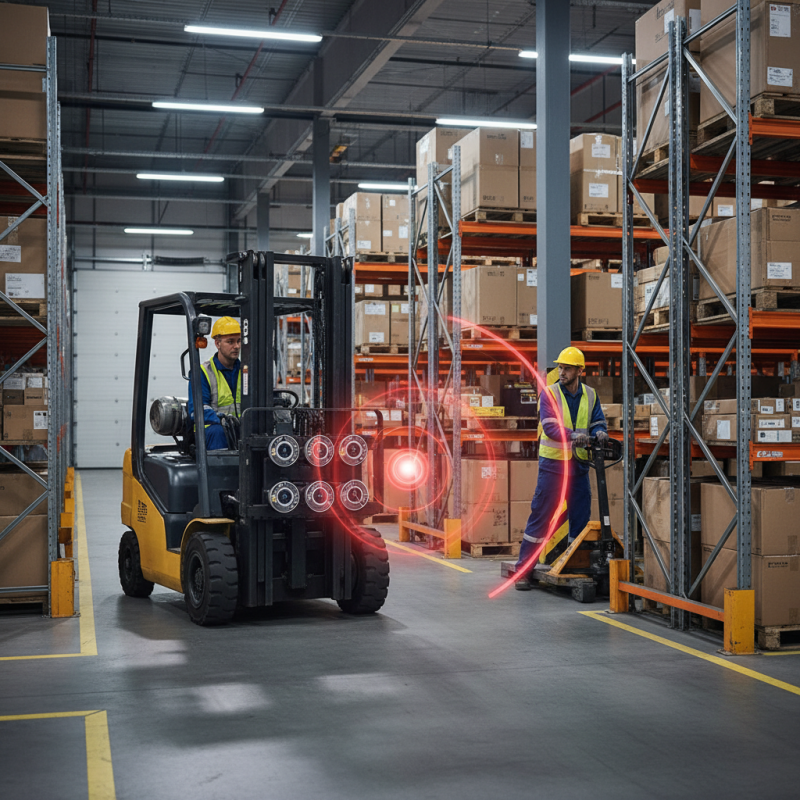
Forklift collision detection systems are crucial for enhancing workplace safety. These systems use advanced sensors to detect nearby obstacles and alert operators in real-time. By creating a safer work environment, they minimize the risk of accidents, which can lead to costly injuries and damages. Forklifts operate in busy settings, making collision risks high. Therefore, investing in these systems is not just beneficial; it's essential.
The importance of such systems goes beyond just accident prevention. They promote a culture of safety within organizations. When employees see that their well-being is prioritized, morale improves. This, in turn, fosters productivity. However, many companies overlook these systems, believing they are unnecessary. This can lead to dangerous situations that could have been easily avoided. Moreover, integrating this technology often reveals gaps in operational protocols, prompting valuable reflections on current practices.
Not all collision detection systems are flawless. Some may have limitations in varying environments or conditions. Organizations must be aware of potential shortcomings and ensure regular updates and maintenance. A thorough assessment of the operational space can significantly improve the effectiveness of the system. A proactive approach is always better than reactive measures when it comes to safety.
Statistics on Forklift Accidents and Their Economic Impact
Forklift accidents pose significant risks in warehouse environments. Statistics show that these incidents lead to injuries and deaths each year. According to industry reports, around 90,000 forklift accidents occur annually in the United States alone. This alarming figure translates into millions of dollars in medical expenses and damages.
The economic impact of these accidents is profound. Businesses face rising insurance premiums and potential lawsuits. Additionally, lost productivity during investigations adds further financial strain. In some cases, companies may even risk losing contracts due to safety violations. As a result, investing in a collision detection system can be an effective way to mitigate these risks.
One must reflect on the human cost of negligence. Employees suffer injuries, and families endure emotional turmoil. While technology can minimize risks, it is crucial to combine it with comprehensive training. Workers need to understand the importance of safety protocols in preventing accidents. Investing in both systems and people creates a safer workplace.
Statistics on Forklift Accidents and Their Economic Impact
| Year | Number of Forklift Accidents | Injuries Reported | Economic Impact (in USD) | Percentage of Workplace Accidents |
| 2018 | 9,000 | 3,500 | $110 million | 18% |
| 2019 | 8,500 | 3,200 | $105 million | 17% |
| 2020 | 7,500 | 2,900 | $90 million | 15% |
| 2021 | 8,200 | 3,000 | $95 million | 16% |
| 2022 | 7,800 | 2,700 | $85 million | 14% |
Key Features and Technologies of Modern Collision Detection Systems
Modern collision detection systems for forklifts integrate advanced technologies that enhance safety in warehouse environments. According to a recent report from the International Forklift Safety Association, nearly 20,000 forklift-related injuries occur annually in the U.S. alone. These systems leverage a variety of sensor and algorithms to minimize accidents. Key features include proximity sensors, real-time monitoring, and automated emergency braking.
Proximity sensors detect nearby obstacles, alerting operators instantly. Real-time monitoring systems utilize artificial intelligence to analyze traffic patterns and predict potential collisions. Data shows that organizations implementing these systems have seen a 30% reduction in accident rates. Automated emergency braking kicks in when a collision is imminent, providing crucial seconds to prevent injury or damage.
Despite these advancements, reliance on technology should be balanced with proper training. Staff must understand how to work with these systems. Knowledge gaps can lead to misuse, undermining the systems' effectiveness. Investing in a collision detection system is critical, but ongoing training and awareness are equally important for reaping the full benefits. Effective integration of technology and training can create a safer, more efficient workplace.
Benefits of Implementing a Forklift Collision Detection System
Forklift collision detection systems are revolutionizing warehouse safety and efficiency. In busy environments, where forklifts and pedestrians share the same space, accidents can happen in an instant. According to the National Safety Council, approximately 96,000 forklift-related injuries occur annually in the U.S., leading to substantial costs and loss of productivity. Implementing a collision detection system can significantly reduce these incidents, creating a safer workplace for everyone involved.
These systems use sensors to detect potential collisions. They alert operators with visual or audible warnings, allowing them to react quickly. By integrating this technology, companies have reported a 30% decrease in accidents within the first year of implementation. Moreover, the financial impact is noteworthy. The total cost of a workplace injury can exceed $40,000, not including indirect costs. Investing in safety technology can result in overall savings and improved employee morale.
However, not all systems are foolproof. Overreliance on technology can lead to complacency among operators. Regular training and reminders about safety protocols remain essential. A collision detection system should complement, not replace, human awareness. Continuous improvements and updates on technology can also enhance system reliability. The balance between technology and human vigilance is crucial for the best safety outcomes in the workplace.
Return on Investment: Cost Savings from Accident Prevention and Safety Improvement
Investing in a forklift collision detection system can lead to substantial cost savings. According to a report from the National Safety Council, workplace accidents involving forklifts account for over 85 fatalities each year. Preventing these tragic incidents is not just about safety; it directly influences a company's bottom line. The average cost of a workplace accident can exceed $40,000. This figure includes medical expenses, lost productivity, and liability claims.
A robust collision detection system can dramatically lower incidence rates. Data shows that companies implementing such systems see a reduction in accidents by up to 30%. This decrease translates to significant savings over time. Furthermore, less downtime from incidents allows for smoother operations. The return on investment (ROI) becomes evident not just in safety numbers but in operational efficiency.
Employees also benefit from improved safety measures. A safer working environment can enhance job satisfaction. However, it’s crucial to reflect on the implementation challenges. Training staff and incorporating new technology can require time and resources. Yet, the long-term effects reveal that prioritizing safety often leads to fewer disruptions and higher morale. Investing in a collision detection system isn't just a financial decision; it’s a commitment to a safer workplace.
