Why Choose an Injection Molding Machine With Robot Automation?
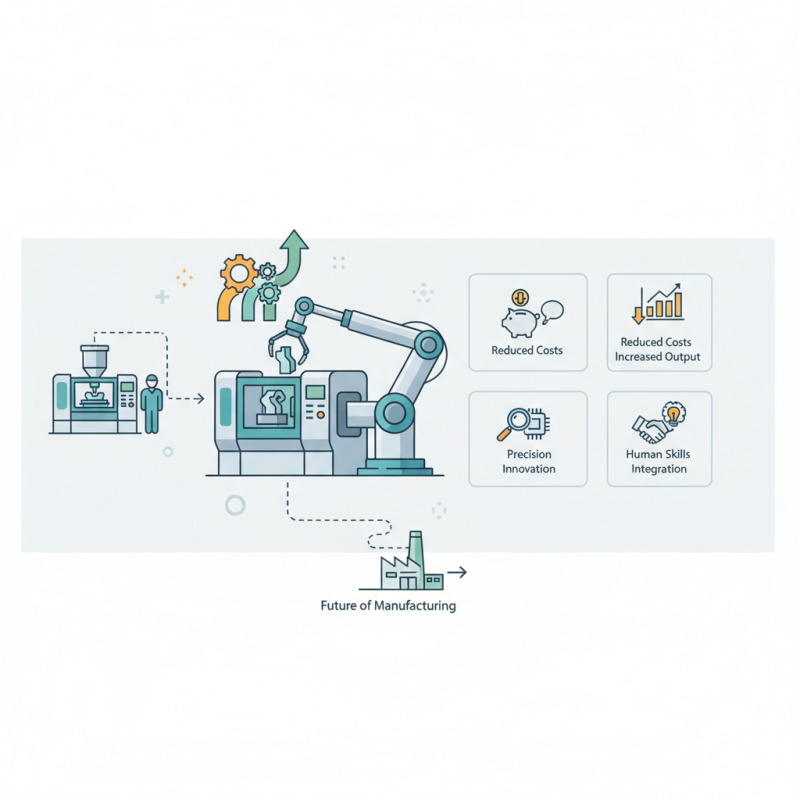
The manufacturing landscape is evolving. Efficiency and precision are now essential. An "Injection Molding Machine With Robot" is often a smart investment. This combination brings speed and reliability to production lines. Companies are moving towards automation for a good reason. They seek to reduce costs and increase output.
Robot automation enhances the injection molding process. It minimizes human errors and reduces labor costs. Operators can focus more on innovation and less on routine tasks. The precision of these machines can be remarkable. However, implementing this technology isn't without challenges. Initial costs may be high, and training is essential. Finding the right balance between automation and human skills is crucial.
For many businesses, a "Injection Molding Machine With Robot" can significantly improve productivity. Still, it requires careful planning and execution. Companies must evaluate their specific needs. Not every operation may be suitable for automation. A thoughtful approach can lead to successful integration. As industries adapt, the benefits of this technology become increasingly clear.
Benefits of Integrating Robot Automation with Injection Molding Machines
The integration of robot automation with injection molding machines presents a transformative opportunity for manufacturers. According to industry reports, automation can increase productivity by up to 30%. This boost significantly enhances output while reducing labor costs. Robots can operate continuously and with precision, performing tasks like part removal and quality inspection. This minimizes the potential for human error, which is often a costly factor in production.
Employing robots also creates a safer workplace. Robots can handle heavy components, reducing the risk of workplace injuries. Industry analysis shows that companies that adopt automation experience a decline in workplace incidents by about 50%. However, new challenges emerge. The initial investment for robotic systems can be significant. Additionally, the transition to automated processes might meet resistance from the workforce. Training is essential, yet it can be time-consuming and costly.
Moreover, while automation can streamline operations, it is not a panacea. Some tasks may still require human oversight to ensure quality and adaptability. The relationship between machines and workers must evolve, fostering a collaborative environment. Balancing technology with human skills presents a nuanced challenge that leaders in manufacturing must navigate.
Impact of Robot Automation on Production Efficiency in Molding Operations
Robot automation in injection molding significantly enhances production efficiency. It allows for faster cycle times and precise repeatability. Robots can perform tasks like loading materials and unloading finished parts, freeing human workers for other activities. This shifts labor dynamics on the factory floor, where precision in tasks is paramount.
However, integration is not always seamless. The initial setup can be complex, and ongoing maintenance is essential. Companies must invest time and resources to train personnel on new systems. It's crucial to address these challenges. A poorly executed integration can lead to lower productivity. Finding a balance between human oversight and automation is key to maximizing efficiency.
Increased efficiency means higher output, but consistency remains a concern. Automated systems can sometimes produce variability if not monitored. Regular checks and calibrations ensure high-quality production. This blend of technology and oversight shapes successful manufacturing environments. As companies explore automation, they must reflect on these factors for sustained growth.
Cost Analysis: Long-term Savings from Automated Injection Molding Processes
Automated injection molding processes are becoming essential for manufacturers. These machines, paired with robotic automation, offer significant long-term savings. While the initial investment may seem high, the benefits quickly add up. Labor costs decrease as robots handle repetitive tasks. This leads to fewer errors and higher precision in production.
Consider the time saved by automation. Robots can work continuously without breaks. They don't need overtime pay, and they can operate in hazardous environments. This efficiency translates into faster production cycles. Reduced cycle times mean you can produce more parts in less time. This creates an opportunity for increased profits.
**Tips**: Watch for maintenance costs. Regular check-ups can prevent costly downtime. Invest in staff training to maximize the benefits of robotics. Familiarity with automated systems makes for smoother operations. Lastly, always analyze data to find areas for improvement. Every detail counts in optimizing performance.
Cost Analysis of Automated vs. Manual Injection Molding
Enhancing Product Quality Through Robot-Assisted Injection Molding Techniques
Robot-assisted injection molding techniques are transforming how we enhance product quality in manufacturing. By integrating automation, manufacturers can achieve greater precision in the molding process. Robots can operate at high speeds, ensuring consistent cycles that improve overall productivity. The use of automation reduces human error in tasks, such as material handling and part placement. This change can lead to crisper edges and stronger weld lines in plastic products.
However, this transition isn't without challenges. Implementing robotic systems requires upfront investment and careful planning. Some companies struggle with the programming of robots for specific tasks. Poorly executed automation may lead to defects and low-quality products. Continuous training and adaptation are essential for staff. They need to manage the robot systems effectively. Despite initial setbacks, the potential for improved product quality makes the investment worthwhile. The combination of human ingenuity and robotic efficiency creates a new horizon for manufacturing.
Why Choose an Injection Molding Machine With Robot Automation? - Enhancing Product Quality Through Robot-Assisted Injection Molding Techniques
| Dimension | Description | Benefits | Impact on Product Quality |
| Cycle Time | The time taken to complete one production cycle. | Reduction in cycle time through automation. | Consistent production rates enhance quality assurance. |
| Precision | Accuracy of dimensions in the molded product. | Advanced robotics ensure high precision in molding. | Improved dimensional accuracy leads to better fitting and functionality. |
| Material Waste | Amount of excess material produced during molding. | Minimized waste through precise material handling. | Less waste contributes to lower costs and environmental impact. |
| Labor Costs | Expenses related to manual labor for operation. | Reduced labor costs through automation. | Allows reallocation of human resources to quality control processes. |
| Flexibility | Ability to adapt to different product designs quickly. | Robots can be programmed for various tasks easily. | Increased flexibility enhances innovation and response to market demands. |
Current Trends and Industry Data on Robot Automation in Molding Applications
Robot automation in injection molding is becoming increasingly relevant. According to a recent industry report, approximately 35% of molding facilities are now integrating robotic systems. This trend is driven by the need for efficiency and precision. With robots handling repetitive tasks, human workers can focus on more complex duties. This shift is crucial in reducing labor costs and production time.
Moreover, data indicates that automation can enhance product quality. The introduction of robots reduces human error, leading to more consistent finishes. In fact, surveys show that companies utilizing robots have seen a 25% reduction in defects. This improvement is significant, as quality assurance is vital in competitive markets.
However, the transition to robot automation demands careful planning. Many companies face challenges in integrating new technologies with existing processes. While the benefits are clear, there are hurdles to overcome. Workers may fear job displacement, creating resistance to change.
Training staff to work alongside robots is essential for smooth adaptation. Balancing automation with human roles requires ongoing evaluation. Investing in automation is critical, but it also requires a thoughtful approach to workforce dynamics.
