2026 How to Choose the Best Excavator Parts for Your Project?
Choosing the right Excavator Parts for your project is crucial for success. The construction industry relies heavily on excavators, with over 100,000 units sold annually worldwide. While many companies focus on machinery, the quality of excavator parts is often overlooked. Studies show that approximately 30% of machine downtime is caused by faulty parts.
High-quality excavator parts ensure smooth operations. They can improve productivity and reduce repair costs. Research indicates that investing in reliable components can enhance the machine's lifespan by 20%. However, not all parts are created equal. Some aftermarket parts may seem appealing due to lower prices, but they can lead to increased wear and tear.
It's essential to assess the specific needs of your project. Are you working in tough terrains that require durable parts? Or do you need standard components for lighter work? Understanding these details will guide your decisions. Always consider the reputation of suppliers and the expertise available in your area. Reliable sources can offer valuable insights, helping you avoid costly mistakes when selecting excavator parts.
Understanding the Different Types of Excavator Parts Available
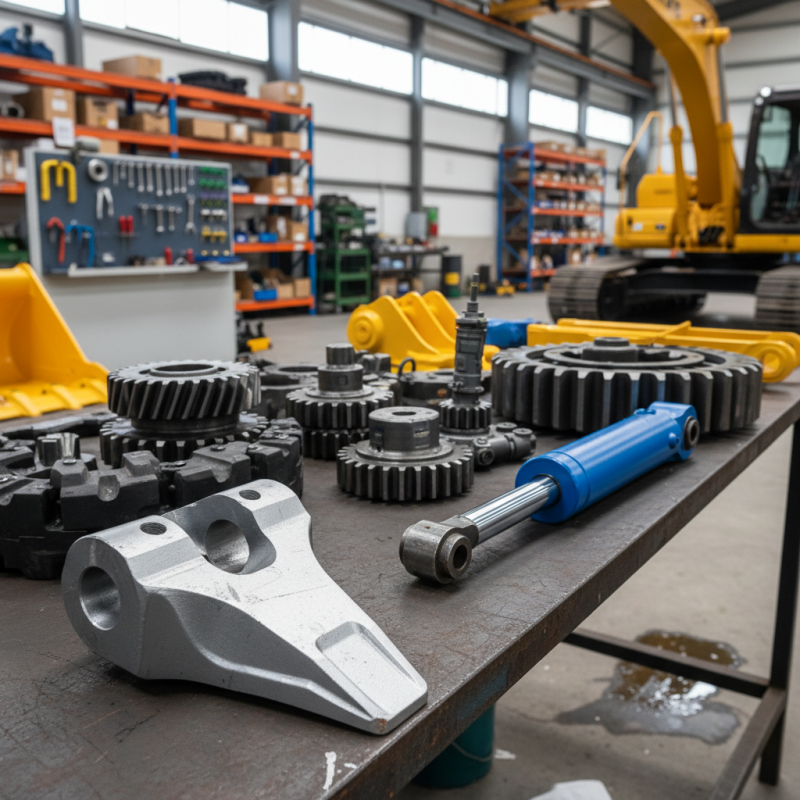
When selecting excavator parts, understanding the various types available is crucial. Each part plays a significant role in the machine's performance and efficiency. Key components include the hydraulic system, buckets, tracks, and engines. Hydraulic systems enable powerful movement, while buckets vary in size and shape for different tasks. Tracks ensure stability on various terrains.
Tip: Always consider the specific project needs. A digging project might require different bucket types compared to demolition. Evaluate the soil type and the depth of excavation to select the appropriate bucket.
Engine components can greatly influence power output and fuel efficiency. Being aware of the engine type can help you optimize performance. Some machines may need specific filters and oil types for proper functioning.
Tip: Regular maintenance is essential. Check parts periodically for wear and tear. This can save costs in the long run and improve efficiency. Always consult with experts or reliable resources to ensure you make informed decisions about part replacements.
2026 How to Choose the Best Excavator Parts for Your Project? - Understanding the Different Types of Excavator Parts Available
| Part Type | Description | Material | Application | Approx. Lifespan |
| Bucket | Used for digging and scooping | Steel | Construction, landscaping | 2-5 years |
| Hydraulic Cylinder | Provides lifting and lowering power | Aluminum, steel | Excavation, material handling | 5-10 years |
| Swing Motor | Controls the rotation of the excavator | Cast iron | Excavation operations | 5-8 years |
| Track Shoes | Provides traction and stability on various surfaces | Steel | All terrains | 2-6 years |
| Engine | Power source for the excavator | Various alloys | General operations | 10-15 years |
Evaluating Compatibility with Your Excavator Model
When choosing excavator parts, compatibility with your specific model is crucial. Every excavator has unique specifications. Parts designed for one model may not fit another. Therefore, understanding the technical requirements of your machine is essential. Check the owner’s manual for precise part numbers and guidelines. This will help avoid costly mistakes.
Evaluating compatibility involves more than just size. Consider the type of tasks your excavator will perform. Some parts are engineered for heavy-duty use, while others may excel in lighter applications. This distinction can affect performance and safety. Research part materials and manufacturing standards. Higher quality materials often lead to better durability, which is critical in demanding environments.
It’s also worth noting that not all aftermarket parts hold up to original equipment specifications. Some may lack the same level of technology or engineering. Make informed decisions by consulting with experts who understand these nuances. Gather opinions, but also reflect on your own experiences. Testing various parts might reveal surprising outcomes. Taking the time to evaluate compatibility can lead to a more efficient and cost-effective project.
Assessing Quality and Durability of Excavator Parts
When selecting excavator parts, quality and durability are paramount. High-quality parts ensure efficient machine operation and reduce downtime. Examine the materials used in the parts. Components made from sturdy alloys or high-grade steel often offer increased longevity. Subpar materials can lead to premature wear, resulting in costly repairs.
Durability goes beyond materials. Look at the part’s design and engineering quality. Well-designed components have better stress distribution, which enhances lifespan. Seek parts with proven track records or testimonials, as these can provide insights into reliability. Some parts may look similar but can vary wildly in performance and durability.
Knowing where the parts come from is essential. Manufacturers with a good reputation often invest in rigorous testing. Of course, not all parts will meet every task's demands. Some parts may perform well under specific conditions but fail in others. Taking time to assess part specifications and operational context is crucial. Balancing cost and quality is always challenging, but it can help achieve the best results for your project.
Cost vs. Value: Budgeting for Excavator Parts
When budgeting for excavator parts, it's essential to find a balance between cost and value. Lower-priced components may seem attractive at first. However, they often lack the durability needed for heavy-duty work. Investing in quality parts may require a larger initial expense but can save money in the long run. Cheaper parts might lead to frequent replacements and costly downtime.
Consider the specific needs of your project. Different jobs may require different specifications for parts. This means that the best choice isn’t always the most expensive one. Researching makes a vital difference. Compare options carefully, paying attention to materials and warranties. Sometimes, mid-range parts provide excellent value without sacrificing quality.
Be wary of overly cheap options, as they can lead to disappointment. It's important to reflect on past experiences with excavator parts. Ask yourself: Did the savings justify the headaches? A careful approach will help to avoid pitfalls associated with low-quality components. Always prioritize reliability over mere cost savings to ensure your project runs smoothly.
Cost vs. Value: Budgeting for Excavator Parts
Finding Reliable Suppliers for Excavator Parts
Finding reliable suppliers for excavator parts can greatly impact your project’s success. The heavy equipment industry relies heavily on the quality of parts. In a recent report by IBISWorld, the demand for excavator parts has increased by 5% annually. This trend emphasizes the need to find trustworthy suppliers who can meet your needs.
When looking for suppliers, consider the certifications they hold. Suppliers with ISO certifications ensure adherence to quality standards. Another aspect is their experience in the market. A supplier with years in the industry may have established relationships that can benefit you. Reviews and testimonials offer insights into their reliability. Analyzing customer feedback can reveal both strengths and weaknesses.
Tip: Always ask for samples before you commit. This can clarify the quality of the parts. Also, consider the supplier’s return policy for defective items. Having clear communication with suppliers can prevent future misunderstandings, ensuring a smoother procurement process. Regular evaluations of your supplier's performance can help in adjusting your choices when needed.
