How to Choose the Right Ball Valves for Your Needs?
Choosing the right ball valves for your needs can feel overwhelming. Ball valves are essential in controlling the flow of liquids and gases. Their design ensures tight sealing and durability, making them popular in various applications.
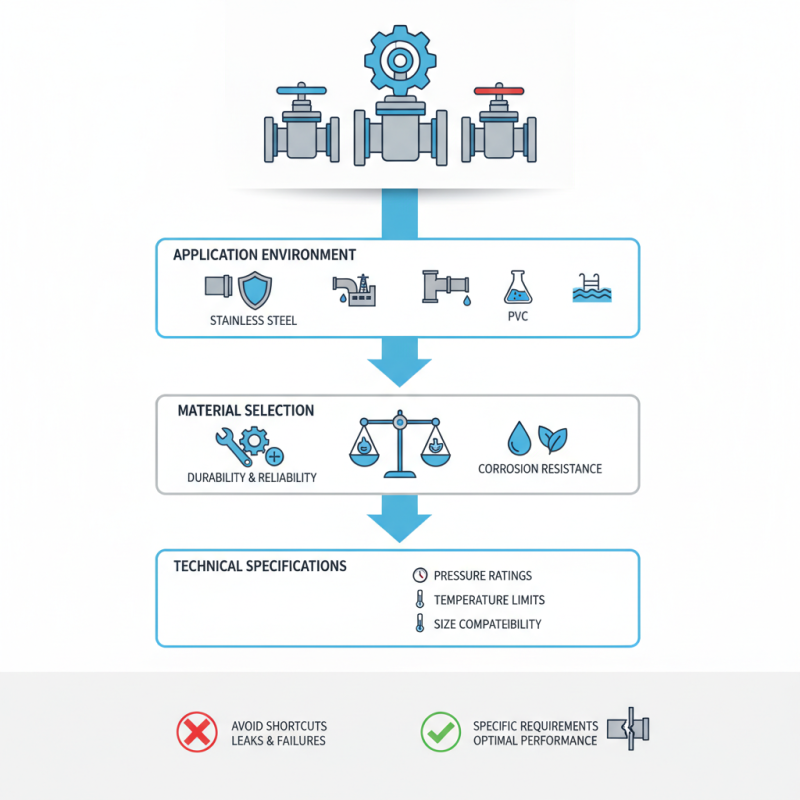
Consider where you will use the ball valves. Different environments require different materials. Stainless steel or PVC? Each has its benefits and drawbacks. Reliability is key in industries such as oil, gas, and water treatment. Yet, not every valve will perform equally well in every situation.
Select valves that match your specifications. Look for pressure ratings, temperature limits, and size compatibility. Experts often recommend avoiding shortcuts, as the wrong choice can lead to leaks and failures. Be mindful of your specific requirements, rather than relying on generic solutions. You may discover that even small details matter significantly in ball valve selection.
Importance of Understanding Ball Valve Types and Their Applications
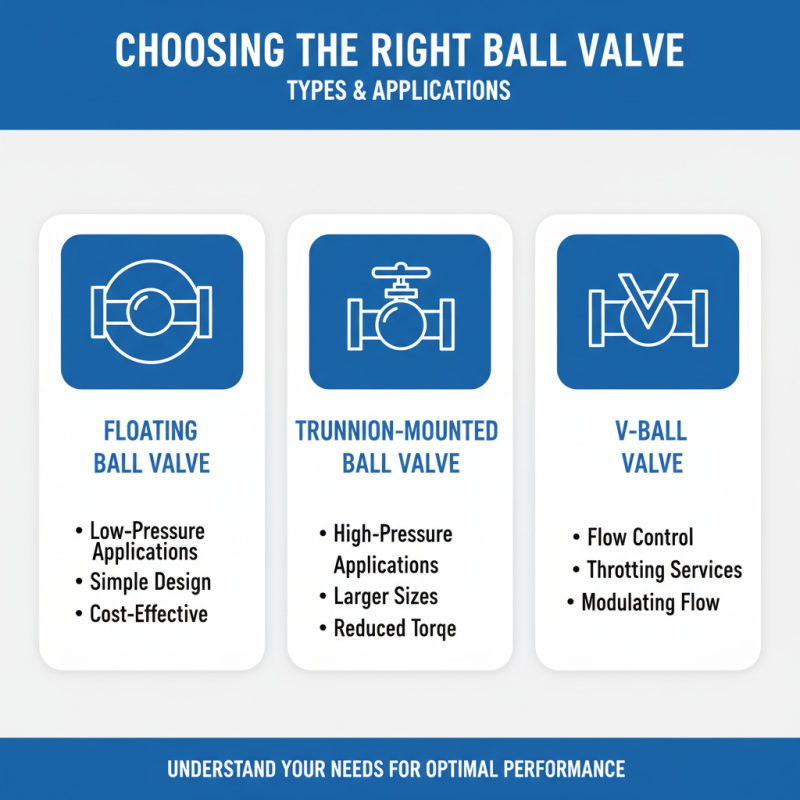
Choosing the right ball valve requires understanding its types and applications. There are several types of ball valves, including floating, trunnion-mounted, and V-ball valves. Each has unique characteristics suited for specific scenarios. For instance, floating ball valves are commonly used in low-pressure applications. On the other hand, trunnion-mounted valves manage higher pressure efficiently.
According to a recent industry report, the global ball valve market is expected to reach $10 billion by 2027. This growth reflects the increasing need for efficient fluid control systems. Industries such as oil and gas, water treatment, and chemicals primarily drive this demand. However, many users overlook critical factors when selecting ball valves. They often choose based on price alone, which can lead to performance issues.
Application-specific knowledge is vital in ball valve selection. The wrong choice can affect system efficiency and safety. Many individuals fail to consider operating conditions or fluid types. For example, corrosive fluids require valves made from specialized materials. Specific valves must also meet safety standards like API or ASME certifications. Ignoring these details can result in costly repairs and downtime.
Key Factors to Consider When Selecting Ball Valves for Specific Uses
When selecting ball valves, it’s essential to consider several key factors. First, the material of the valve affects its durability and compatibility. Common materials include brass, stainless steel, and PVC. Each has its advantages depending on the application. Stainless steel is robust, while PVC is lighter and resistant to corrosion.
Next, the valve size is crucial. It should match the piping system perfectly. A valve that is too small may restrict flow. Conversely, a valve that is too large can lead to inefficiencies. Evaluate the flow rate and pressure requirements of your system for better performance.
Lastly, consider the valve's operating mechanism. Manual valves require user intervention, while automated ones allow for remote operation. Automation adds convenience but requires an investment in technology. Balance your needs with your budget to make the right choice. These factors often warrant reflection and may change based on specific applications.
Material Compatibility: Choosing the Right Construction for Your Environment
When selecting ball valves, material compatibility is crucial. Different environments demand specific materials. For instance, stainless steel is widely used in chemical processing due to its corrosion resistance. However, not all stainless steel grades are equal. A report by the American Society of Mechanical Engineers showed that a significant number of failures in chemical handling systems result from material misalignment.
In industries where high temperatures are present, choosing the right material becomes even more critical. For instance, PVC valves might not withstand extreme heat as effectively as metal ones. A study from The Valve Manufacturers Association indicated that approximately 30% of valve failures are linked to inappropriate material selection. This underscores the need to evaluate each application's specifics.
Moreover, some materials may react with certain chemicals, leading to degradation or failures. For example, rubber seals may swell when exposed to certain oils, compromising seal integrity. It's essential to consult chemical compatibility charts before making a choice. Recognizing that the wrong material can lead to leaks or system breakdowns is vital. It's a complex decision that warrants careful consideration.
Material Compatibility of Ball Valves
This chart illustrates the material compatibility ratings of different types of ball valves. The ratings indicate how suitable each material is for various environments, with higher values representing better compatibility.
Sizing and Pressure Ratings: Ensuring Optimal Performance and Safety
When choosing ball valves, sizing and pressure ratings are crucial. A valve's size must match the pipeline diameter for effective flow control.
Oversized valves can lead to lower efficiency, while undersized valves may cause excessive pressure.
An accurate size ensures smooth operation and longevity.
Pressure ratings, such as ANSI or PN ratings, indicate the maximum pressure a valve can withstand.
Selecting a valve with the right pressure rating is essential for both safety and performance.
Using a valve rated too low can risk leaks or catastrophic failure. Assess the system pressure and choose a valve that offers a comfortable safety margin.
Tips: Always review your system’s pressure data before purchasing.
A slight miscalculation can be costly. Consider the working environment too. Corrosive materials can degrade some valve types.
Finally, consult with professionals if unsure. Their experience can be invaluable in navigating complex specifications.
Industry Standards and Certifications: Compliance in Selecting Ball Valves
Choosing the right ball valve requires consideration of industry standards and certifications. Different sectors have specific requirements. For instance, the oil and gas industry often demands robust and durable valves. Meanwhile, food and beverage industries focus on hygienic standards. Compliance with these standards ensures safety and performance.
Certifications such as ISO, ANSI, and API can guide your choice. They indicate that products meet certain quality thresholds. However, not all suppliers provide accurate information on these certifications. Some may lack proper compliance, leading to poor choices. It’s essential to verify certification claims and seek transparency from suppliers.
In some cases, designs may not align with your unique needs. This can lead to inefficiencies. For instance, valves that are too large can cause pressure drops. Understand your application thoroughly before selecting a valve. This helps mitigate risks and improve operational efficiency. Don't overlook the importance of testing and validating valve performance in real-world scenarios. Small mistakes in selection can lead to significant consequences.
How to Choose the Right Ball Valves for Your Needs? - Industry Standards and Certifications: Compliance in Selecting Ball Valves
| Criteria |
Description |
Standard/Certification |
Applicable Industries |
| Material |
Should be resistant to corrosion and temperature variations. |
ASTM, ISO |
Chemical, Oil & Gas |
| Size |
Available in various sizes to fit different pipe diameters. |
ASME |
Construction, Water Treatment |
| Pressure Rating |
Must meet the requirements for the operating pressure of the system. |
API, ANSI |
HVAC, Pipeline |
| End Connections |
Options include threaded, flanged, or welded connections. |
DIN, JIS |
Manufacturing, Food Industry |
| Application |
Choosing the right valve based on service conditions, such as temperature and media. |
CE, UL |
Pharmaceuticals, Energy |