How to Choose the Right Artificial Lift Technologies for Your Well?
Choosing the right Artificial Lift Technologies for your well is crucial. It directly impacts production efficiency and cost. Many factors influence this choice, including well depth, fluid type, and reservoir characteristics.
Each technology, whether it is rod pumping, gas lift, or electric submersible pumps, has its advantages and limitations. Operators often find it challenging to assess which method best fits their needs. For instance, rod pumps work well in shallow wells, while gas lifts may excel in high-angle wells.
However, the decision isn't always clear-cut. Some technologies may appear ideal but fail in practice. Limited resources and inaccurate data can lead to costly mistakes. Reflection on past experiences can provide valuable insights. Understanding your well's unique requirements remains a fundamental step in selecting the right Artificial Lift Technologies. The right choice can enhance productivity and drive profitability in the long run.
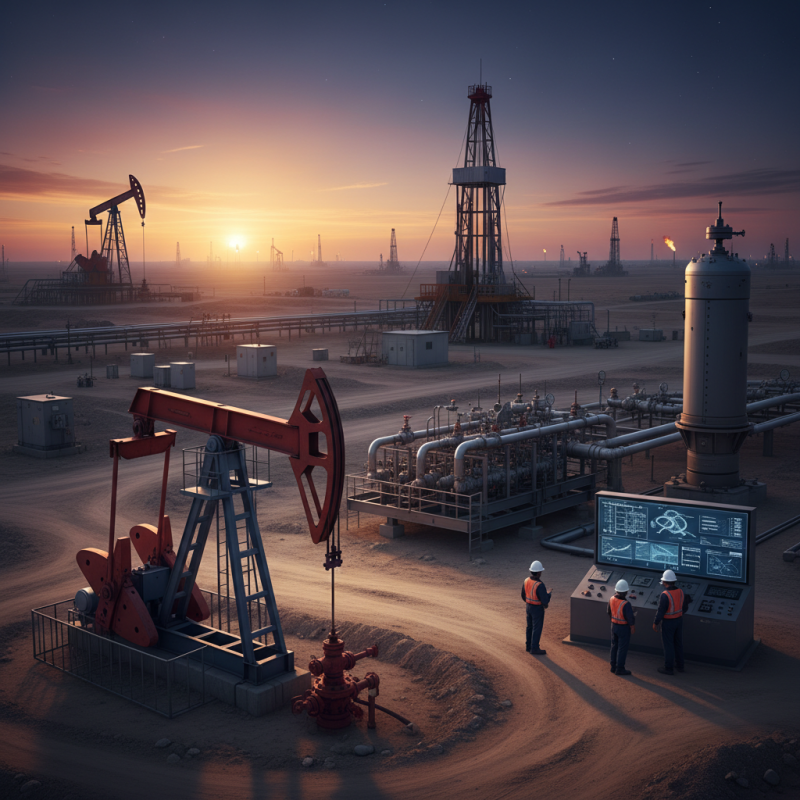
Factors to Consider When Selecting Artificial Lift Technologies
When selecting artificial lift technologies for your well, several factors come into play. You should consider the reservoir characteristics. This includes pressure, temperature, and fluid properties. Understanding these elements helps in choosing the most effective lift method.
Cost is another critical factor. Evaluate both initial investment and ongoing operational expenditures. Some technologies may require high upfront costs but offer savings in the long term. It’s essential to balance these financial aspects with performance outcomes.
**Tips:** Always analyze historical production data. This can provide insight into which lift methods worked better in similar conditions. Engage with field experts. Their hands-on experience can highlight pitfalls and successful strategies in your area.
Don't forget environmental impact. Some lift technologies may have higher ecological footprints than others. Assessing this can lead to more sustainable choices for your operations. Remember, the best choice is not always the most popular one; sometimes, a less common option suits your specific needs better.
How to Choose the Right Artificial Lift Technologies for Your Well?
| Factors to Consider | Description | Example Values |
| Well Depth | Total depth of the well | 2000 - 6000 ft |
| Fluid Properties | Density, viscosity, and gas-to-oil ratio | Density: 34-54 lb/ft³; Viscosity: 5-30 cP |
| Production Rate | Expected fluid production per day | 500 - 5000 bbl/day |
| Pump Efficiency | Operational efficiency of the lift system | 75% - 90% |
| Installation and Maintenance Costs | Cost estimation for setting up and upkeep | $20,000 - $100,000 |
| Environmental Impact | Consideration for local regulations and ecology | Compliance with local standards |
| Type of Artificial Lift | Different methods available for fluid extraction | ESP, Rod Pump, Gas Lift, PCP |
Different Types of Artificial Lift Systems and Their Applications
Artificial lift systems play a crucial role in optimizing oil and gas production. Several types of these systems exist, each suited for specific well conditions. Common types include rod pumps, electrical submersible pumps (ESPs), and gas lift systems. According to industry reports, rod pumps dominate the market, accounting for over 60% of installations. They work well in low to moderate production rates, making them a popular choice for many operators.
[Image] Electrical submersible pumps (ESPs) are highly efficient and can handle large volumes of fluids. They are utilized in wells with high production rates. However, they can be costly to install and maintain. Gas lift systems, on the other hand, are effective in reducing fluid density and boosting production in certain circumstances. They are ideal for high-viscosity fluids but may not perform well if gas availability is limited.
Choosing the right system involves assessing well conditions, fluid characteristics, and production goals. A mismatched technology can lead to increased costs and reduced efficiency. Reports indicate that nearly 30% of wells underperform due to improper artificial lift selection. Continuous evaluation of system performance is necessary. Adapting to changing conditions ensures operational success and optimal production rates over time.
Evaluating Well Conditions and Production Goals for Lift Selection
When selecting artificial lift technologies, evaluating well conditions is crucial. Different wells have unique challenges. Consider the depth, pressure, and temperature. These factors greatly influence production. If your well is deep with high pressure, certain technologies may be more effective.
Production goals play a pivotal role in the selection process. Are you aiming for high output or cost efficiency? Your target should guide your choice. For example, high production may require robust systems, while low-cost options might suffice for smaller wells.
**Tips**:
1. Always assess the fluid type. Different fluids might require specific lift technologies.
2. Review historical data from similar wells. What worked well? What didn't?
3. Don’t overlook maintenance costs. Some systems require more upkeep than others.
It's important to acknowledge that no solution fits all. Sometimes, a chosen technology may not yield expected results. Continuous evaluation is necessary. Collect data regularly to adjust your approach.
Comparison of Artificial Lift Technologies Based on Well Conditions
This chart illustrates the performance of various artificial lift technologies, specifically focusing on their efficiency in different well conditions such as fluid type, depth, and production goals.
Cost-Benefit Analysis of Various Artificial Lift Options
Choosing the right artificial lift technology for your well requires careful consideration. A cost-benefit analysis is essential in this decision-making process. Various options exist, each with unique advantages and drawbacks.
For instance, rod pumps are popular for their reliability. However, they can be labor-intensive and may not suit every well.
Electric submersible pumps (ESPs) offer high efficiency. They can handle large production rates, but installation costs can be high. Consider the operational expenses too. A thorough analysis will help you weigh the initial investment against potential production improvements.
Gas lift systems provide flexibility, often requiring lower upfront costs. Yet, they may not perform well under certain conditions. Balancing these factors is crucial. Misjudging the right fit can lead to increased costs and lost production. Reflect on the specific needs of your well and the long-term goals of your operations.
Best Practices for Implementing Chosen Artificial Lift Technologies
Choosing the right artificial lift technology for your well requires careful consideration of several key factors. Understanding the specific conditions of the well is crucial. Consider the depth and fluid characteristics of your well. Heavy crude oil may require a different approach compared to a lighter oil. It's also important to think about the reservoir pressure and temperature. These elements can greatly influence the effectiveness of the chosen technology.
Implementing the chosen artificial lift technology demands meticulous planning and execution. Train your team on the operational requirements of the system. Regular maintenance schedules help prevent unexpected failures. Keep an eye on performance metrics, adjusting practices when necessary. Sometimes, the initial choice may not work as intended. Input from operational staff is invaluable in refining approaches. Take time to reflect on past implementations. What worked? What didn't? Each lift unit offers learning opportunities that should not be overlooked. Through attentive implementation, the chosen technology can enhance production significantly.
