China Top 10 Valve Manufacturers Which One Is Best?

Choosing among China’s top 10 valve manufacturers requires more than comparing prices or browsing polished product pages. Industrial valves control pressure, flow, temperature, and safety in demanding environments. A small design weakness can cause leakage, downtime, or expensive maintenance. The best supplier should therefore demonstrate consistent engineering, traceable materials, reliable testing, and practical after-sales support.

This guide examines how each Valve Manufacturer approaches quality, production capacity, certifications, customization, and delivery performance. It considers common products, including ball valves, gate valves, globe valves, butterfly valves, and check valves. Real purchasing decisions often depend on details that brochures overlook. For example, does the supplier test each batch? Can it provide material certificates? How quickly can technicians respond when a valve fails at a remote plant?

No single company is automatically best for every project. A manufacturer serving water treatment may not suit high-temperature chemical processing. Brand reputation matters, but field experience matters more. Buyer feedback can also be incomplete, outdated, or influenced by one unusual order. That limitation deserves attention. This comparison aims to provide a balanced starting point, not a final verdict. By reviewing technical capability, quality control, communication, and long-term value, readers can identify the manufacturer that fits their operating conditions, budget, and risk tolerance. When possible, request drawings, inspection records, sample valves, and references before signing a large contract. Evidence is stronger than confident promises.
China Top 10 Valve Manufacturers Which One Is Best?

China’s Valve Manufacturing Industry: Types, Standards, and Applications

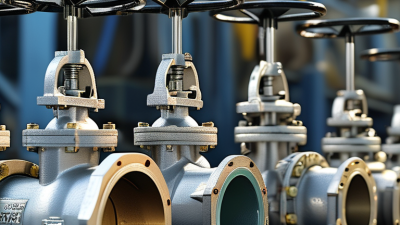
China’s valve industry serves water treatment, power generation, oil and gas, chemical processing, and building services. Products range from gate and globe valves to ball, butterfly, and check valves. Each design suits different flow conditions. A butterfly valve can fit a tight installation, while a gate valve is commonly used for on-off service. Small details matter: seat materials, pressure ratings, and corrosion resistance affect service life.

Standards help buyers compare performance. GB/T 13927 covers pressure testing of industrial valves, while ISO 5208 sets pressure-test requirements. API 6D addresses pipeline valves, including design and testing. These standards are useful, but compliance alone does not prove suitability for every site. The Fortune Business Insights report on industrial valves estimated the global market at US$78.76 billion in 2023, reflecting demand across infrastructure and process industries. Still, selection should begin with the actual medium, temperature, pressure, and operating cycle. A specification can look complete on paper and still miss field conditions. That deserves a second check.
China’s Valve Manufacturing Industry: Common Nominal Pressure Ratings

The chart shows commonly specified PN nominal pressure designations used for flanged valves and piping components under the EN 1092 standard series. PN values are reference designations in bar, not guaranteed operating pressures; the actual allowable pressure depends on valve material, temperature, nominal size, and applicable design standards.

How to Evaluate China’s Top Valve Manufacturers

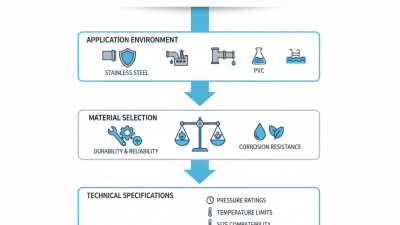
Evaluating China’s top valve manufacturers takes more than comparing prices or catalogues. Start with the application: media, pressure, temperature, operating frequency, and installation space. A valve suited to clean water may perform poorly in abrasive slurry. Ask for material specifications, pressure-test records, and inspection criteria for the exact model. Details matter. A clear answer should identify the test method, acceptance limits, and batch traceability, not simply promise “high quality.”

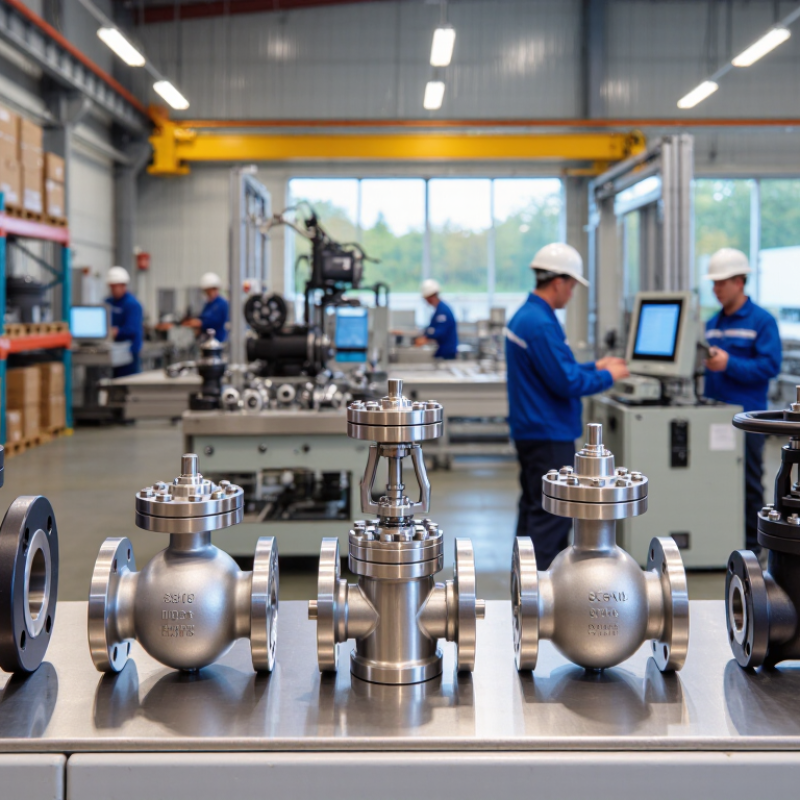
Review manufacturing capability through evidence. Check whether machining, assembly, and testing processes are documented, and request recent inspection reports or a virtual factory walkthrough. For critical service, confirm that design documents and test results match the supplied configuration. Ask how the manufacturer handles nonconforming parts and replacement requests. Response quality is revealing. Compare lead times, spare-part availability, and technical support in writing, then verify these against a sample order where practical. A low quote can hide long delivery times or unclear testing scope. It is easy to overvalue polished brochures; I would not treat them as proof. No single checklist removes risk, and a small supplier may be strong in a narrow product range. Judge the fit, not just the ranking.

Profiles of Ten Leading Chinese Valve Manufacturers

China Top 10 Valve Manufacturers: Which One Is Best?
The profiles of ten leading Chinese valve manufacturers show a diverse industrial landscape. Their products serve water treatment, oil and gas, power generation, chemicals, and general manufacturing. Some focus on gate and globe valves, while others specialize in butterfly, ball, check, or control valves. A reliable manufacturer usually provides material certificates, pressure-test records, traceability, and clear technical drawings. Factory experience also matters. A producer supplying valves for harsh environments may understand sealing failures better than a low-cost general supplier.
No ranking is perfect. Project conditions change the answer. One manufacturer may offer excellent stainless-steel casting, while another handles large-diameter valves more efficiently. Several profiles reveal strong machining capacity, automated testing, and export experience.
However, buyers should question vague claims about “advanced technology.” Ask for test standards, inspection procedures, delivery records, and after-sales response times. Details matter. A polished website cannot replace measurable evidence.
Tips:
Match the valve body, trim, pressure class, temperature range, and connection type with the actual system. Request sample inspection documents before placing a large order. Check whether the supplier can support installation questions after delivery. Price deserves attention, but it should not dominate the decision. A cheaper valve can create higher maintenance costs later. Also, compare warranty terms carefully, because small wording differences may affect practical support.

Comparing Quality, Technology, Pricing, and Export Capabilities

Choosing among China’s top ten valve manufacturers requires more than comparing catalog prices. In procurement reviews, I examine pressure-test records, material certificates, machining accuracy, and batch traceability. A reliable supplier should provide clear documentation, consistent sealing performance, and evidence from demanding industrial projects. That matters. A polished website does not prove manufacturing strength.

Technology separates capable producers from ordinary workshops. Look for automated welding, CNC machining, simulation tools, and digital inspection records. Smart production can reduce dimensional errors, but technology alone is not enough. Skilled engineers must interpret test results and solve field problems. Quality varies. I have seen attractive samples perform well while later batches showed weaker coating or alignment. This is why independent inspections and sample approval remain valuable.

Pricing should include maintenance, replacement frequency, shipping, and warranty response. The lowest quotation may become expensive after installation. Export capability also deserves careful comparison. Experienced manufacturers usually manage export packaging, customs documents, lead-time updates, and regional certification requirements with fewer delays. Check whether technical support works across time zones and whether spare parts are available locally. No supplier leads every category. A fair decision weighs quality, technology, total cost, and delivery reliability against the actual service conditions.

China Top 10 Valve Manufacturers Which One Is Best? - Comparing Quality, Technology, Pricing, and Export Capabilities

A fact-based comparison framework: assess each supplier against the same specifications and request supporting documents. Standards listed are evaluation references, not claims that any particular supplier is certified.

Comparison Dimension What to Compare Evidence to Request Why It Matters
1. Quality management Documented quality controls, inspection stages, nonconformance handling, and traceability. Current ISO 9001 certificate, scope and issuing-body details; inspection and test plans; sample quality records. ISO 9001 specifies requirements for a quality management system; certification alone does not establish product suitability.
2. Product-standard fit Whether the offered valve design and tests match the required valve type and service. Applicable drawings, datasheets, test reports, and declared standards—for example, API 6D for pipeline valves or API 600 for steel gate valves. Standards apply to defined product scopes; confirm the exact edition and applicability for the ordered model.
3. Pressure and temperature ratings Pressure-temperature rating, size range, end connections, and design limits for the specified materials. Nameplate and datasheet details, design calculations where applicable, and reference to the relevant rating standard, such as ASME B16.34. Allowable pressure depends on factors including material, design, and temperature; a nominal pressure class alone is not a complete selection basis.
4. Material traceability Traceability of pressure-retaining parts, trim, and other specified materials to the purchase requirements. Material test certificates and heat-number traceability; EN 10204 Type 3.1 certificates when specified in the purchase contract. EN 10204 defines types of inspection documents for metallic products; specify the required document type before ordering.
5. Fire-safe and emissions performance Whether fire testing or fugitive-emissions performance is required and demonstrated for the specific design. Valid test reports identifying the model and configuration; relevant references may include API 607, API 6FA, or ISO 15848-1. These standards address different test scopes and performance classifications; one test should not be assumed to cover every valve configuration.
6. Materials for sour service Material selection and qualification for the project's defined hydrogen-sulfide environment and operating conditions. Material specification, hardness and testing records as required by the project, and documented compliance basis such as ISO 15156 / NACE MR0175 where applicable. Sour-service suitability depends on environmental conditions and material requirements; a general “sour service” label is not sufficient evidence.
7. Engineering and manufacturing technology Design control, machining capability, process control, testing equipment, and ability to customize within the specification. Approved drawings, process and inspection plans, equipment calibration records, and witnessed test results for representative products. Equipment lists alone do not prove product performance; assess process controls and product-specific verification.
8. Testing and final inspection Required shell, closure, seat-leakage, functional, and any project-specific tests, including acceptance criteria. Approved test procedure, calibrated instrument records, completed test certificates, and third-party inspection access if required. Agree test scope and acceptance criteria in the purchase order; requirements vary by valve type and applicable specification.
9. Price and total cost Compare quotations for identical size, pressure class, materials, trim, ends, testing, documentation, quantity, and delivery terms. Itemized quotation showing exclusions, tooling or testing charges, packaging, freight basis, payment terms, and warranty conditions. There is no reliable universal price ranking: price changes with specification, material, size, quantity, inspection, and delivery requirements.
10. Export and destination-market readiness Relevant export experience, document accuracy, packing, shipping coordination, and conformity for the destination market. Redacted shipping references, sample packing list and certificate pack, proposed delivery schedule, and destination-specific conformity documents where required. For EU pressure equipment, confirm applicable PED 2014/68/EU obligations. Export capability is market- and product-specific; verify the required regulatory route and documents for the actual destination and application.

Choosing the Best Chinese Valve Manufacturer for Your Project

Choosing a Chinese valve manufacturer starts with the operating conditions, not the catalogue. Define the medium, pressure, temperature, connection type, and required service life. A valve handling abrasive slurry needs different materials and trim from one used for clean water. Ask for material certificates, pressure-test records, and dimensional drawings for the exact model. Check whether the supplier can explain its test method, not just send a certificate.

Market figures offer context, not a quality score. Grand View Research estimated the global industrial-valve market at US$78.4 billion in 2023; Fortune Business Insights put it at US$78.5 billion. The estimates differ slightly, but both point to a large, competitive sector. Compare manufacturers through a sample inspection, factory audit, and documented response times for technical questions. Verify that the quoted valve matches the applicable project specifications and relevant standards. The lowest price may still be costly. I would be cautious if a supplier cannot trace materials to a production batch; that gap is easy to overlook when deadlines are tight. Ask for a spare-parts list and realistic delivery schedule before approving the order.