Top 10 Benefits of Check Valves for Your Plumbing Needs?
In the world of plumbing, the importance of Check Valves cannot be overstated. Renowned plumbing expert John Smith once said, "Check valves are essential for ensuring fluid flows in the right direction." This simple device plays a critical role in safeguarding plumbing systems from backflow, which can lead to costly damage.
Check Valves help maintain the integrity of your system. They prevent water from flowing backward, which is vital for protecting appliances and fixtures. For instance, they keep wastewater from contaminating clean water supplies. In industrial applications, Check Valves are equally important, preventing potential hazards and ensuring safety.
However, not all Check Valves are created equal. Some may malfunction or fail over time, leading to leaks and inefficiencies. Regular maintenance can help avoid these issues, but many overlook it. This is a reminder that attention to detail in plumbing is crucial. Embracing the benefits of Check Valves is vital, but understanding their limitations is equally important.
Understanding Check Valves: Definition and Functionality
Check valves play a crucial role in plumbing systems. They are devices that allow fluid to flow in one direction only. This prevents backflow, which can cause damage and contamination. Imagine a water system where dirty water flows back into clean pipes. That’s where check valves come in handy.
These valves operate automatically. They close when fluid reverses direction. This action helps maintain system integrity and efficiency. Plumbers often recommend installing them in water and sewage systems. Proper placement can enhance performance. However, improper installation could lead to leaks or failures. This aspect requires careful consideration during setup.
In summary, understanding check valves is key. They are simple yet effective tools in plumbing. Their functionality can save costly repairs down the line. A system without them may face unexpected challenges. Think about how crucial they are for maintaining clean water flow.
How Check Valves Enhance Plumbing Efficiency and Safety
Check valves play a crucial role in enhancing plumbing systems. They ensure that water flows in one direction, preventing backflow. This feature is vital for maintaining water quality and preventing contamination. When a check valve functions properly, plumbing systems run more efficiently. It helps reduce pressure loss and ensures that your system operates smoothly.
However, not all check valves are created equal. Some might fail over time due to wear and tear. Regular maintenance is key. A simple inspection can reveal potential issues. In some cases, a small leak may indicate a need for replacement. Being proactive can save you from costly repairs in the future.
Another benefit of check valves is their ability to protect pumps and tanks. These valves reduce the risk of damage from backflow, which can lead to serious plumbing issues. Without them, systems can become unstable. It's worth considering whether your plumbing setup includes check valves. Rethinking their placement might enhance your plumbing efficiency further.
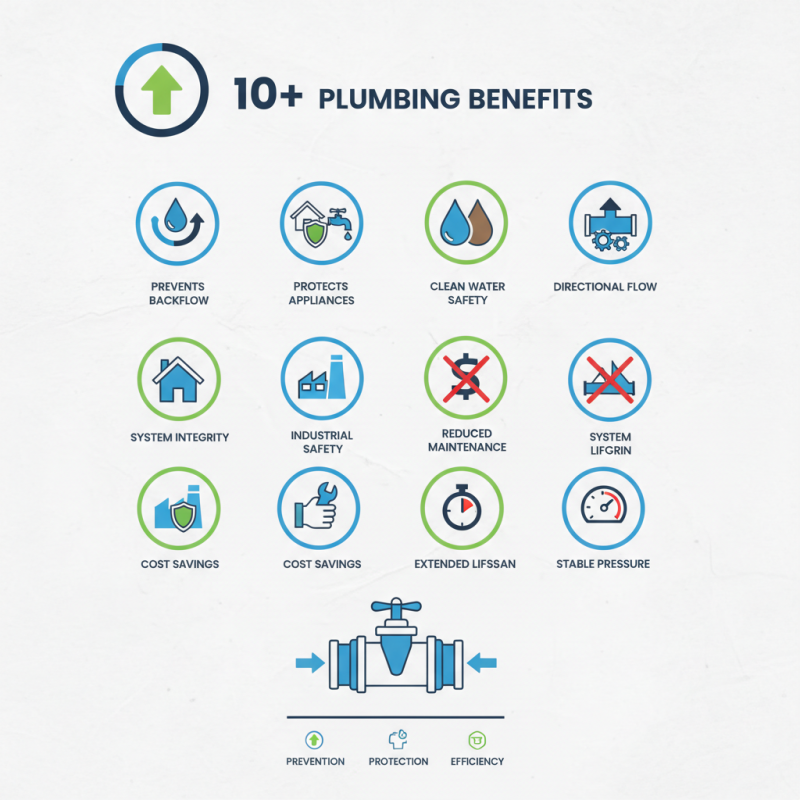
Top 10 Benefits of Check Valves for Your Plumbing Needs
| Benefit |
Description |
Impact on Plumbing |
| Prevents Backflow |
Check valves allow flow in one direction, preventing backflow. |
Protects plumbing from contamination and damage. |
| Energy Efficiency |
Reduce energy costs by preventing reverse flow. |
Enhances overall system efficiency. |
| Low Maintenance |
Check valves have a long life and require minimal maintenance. |
Reduces long-term costs and downtime. |
| Space Saving |
Compact design saves installation space. |
Ideal for limited spaces in plumbing systems. |
| Enhanced Safety |
Prevents hazardous conditions caused by backflow. |
Improves the overall safety of plumbing systems. |
| Versatility |
Suitable for various applications including water and gas. |
Enhances system adaptability and usability. |
| Stability |
Provides consistent flow, even with pressure fluctuations. |
Maintains system integrity under varying conditions. |
| Cost-Efficiency |
Reduces need for repairs by preventing system failures. |
Saves money on maintenance and repairs. |
| Reduced Noise |
Minimizes noise caused by backflow. |
Creates a quieter environment in plumbing systems. |
| Improved Flow Control |
Regulates the flow of liquids, ensuring consistent delivery. |
Enhances the efficiency of water delivery systems. |
Preventing Backflow: The Primary Role of Check Valves
Check valves serve a crucial role in plumbing systems, primarily preventing backflow. Backflow can lead to serious contamination issues. According to a report from the American Water Works Association, backflow incidents cause about 7% of nationwide water quality issues. These incidents can introduce harmful pathogens into clean water supplies, making check valves essential.
These devices allow fluid to flow in one direction only. When pressure drops or reverses, the valve closes, blocking unwanted backflow. In residential plumbing, this can prevent sewage from entering clean water lines. A study by the Plumbing-Heating-Cooling Contractors Association shows that proper installation of check valves can reduce backflow incidents by up to 50%. This not only protects health but also minimizes costly damages.
Some may overlook the importance of check valves during installation. They might assume all plumbing is perfect. However, pressure fluctuations can occur unexpectedly. Regular inspection of these valves is necessary. Damaged or malfunctioning check valves can still allow backflow. Failing to maintain them could lead to long-term health implications and expensive repairs. Recognizing these risks is crucial for safe plumbing.
Applications of Check Valves in Residential and Commercial Plumbing
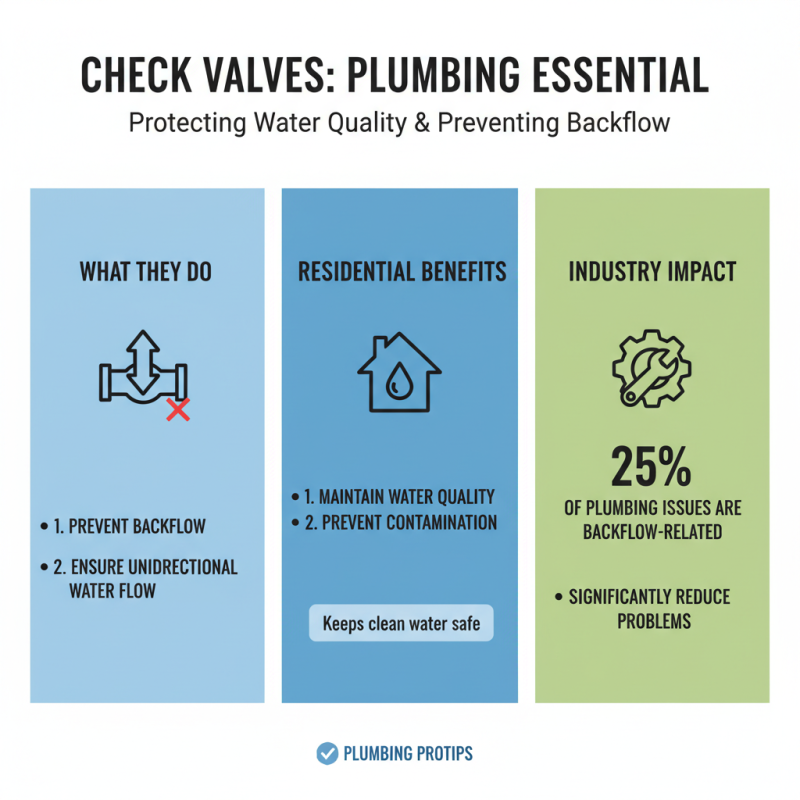
Check valves are essential components in both residential and commercial plumbing. They prevent backflow, ensuring that water flows in the desired direction. In residential settings, these valves help maintain water quality by preventing contamination. According to industry reports, nearly 25% of plumbing issues arise from backflow. Check valves can significantly reduce the risk of these problems.
In commercial plumbing, check valves are vital for maintaining system efficiency. They are commonly used in fire protection systems and irrigation setups. A study shows that proper installation of check valves can improve system performance by up to 15%. However, improper sizing can lead to inefficiencies. Many professionals still overlook this aspect, leading to potential water hammer issues.
Using check valves correctly improves overall plumbing reliability. Yet, they require regular maintenance to function effectively. Ignoring maintenance can result in leaks and failures. Research indicates that nearly 35% of check valve failures stem from lack of upkeep. This emphasizes the need for regular inspections and replacements in both residential and commercial plumbing systems.
Maintenance Tips for Ensuring Check Valve Longevity and Performance
Check valves are vital in plumbing systems. They prevent backflow and ensure smooth water flow. However, these components need proper maintenance to function well over time.
Regular inspection is crucial. Check for any signs of wear or leakage. Replace any damaged parts promptly to avoid larger issues. A report from the Plumbing Manufacturers International shows that poorly maintained valves can lead to system failures, costing thousands in repairs.
Tips for enhancing the lifespan of your check valves:
- Clean them regularly to remove debris.
- Use a proper sealing material during installation to prevent leaks.
- Be cautious with temperature changes, as extreme fluctuations can weaken seals.
These simple steps can significantly improve performance and longevity, ensuring your plumbing remains efficient. Remember,
neglect can lead to costly consequences.